CIP (Cleaning in Place) and SIP (Sterilizing in Place) systems are the industry's standardized answer to that requirement: they enable automatic cleaning and sterilization of process equipment without disassembly and without breaking the hygienic envelope.
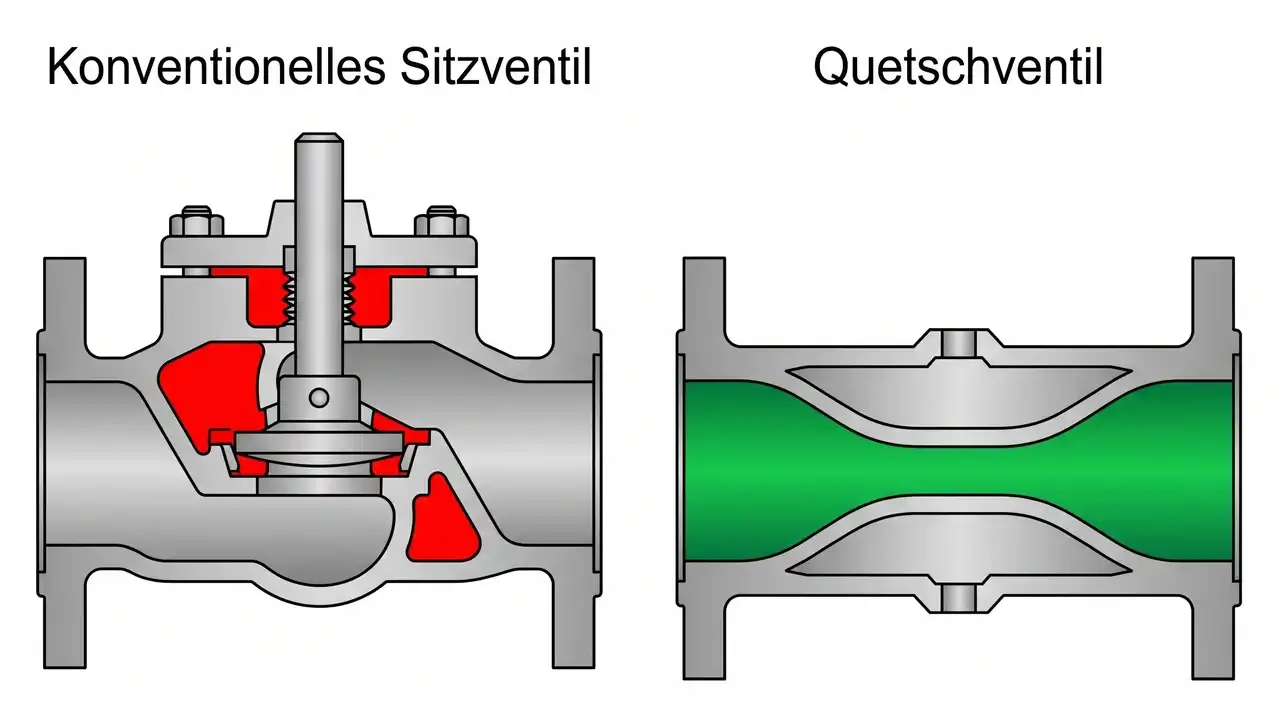
What is frequently underestimated: valves are not passive pass-through points in a CIP/SIP system. They are active control elements—and constructively the most common weak point in hygienic design. Incorrectly selected valves create dead spaces where cleaning fluid can pool, where residue resists removal, or where biofilm can establish.
This article explains what constructive requirements CIP/SIP valves must fulfill—and why the pinch valve principle meets these requirements by design.
A CIP cycle typically pumps several cleaning and rinsing media through the plant in a defined sequence: alkaline solution (e.g. NaOH), water, acid solution (e.g. phosphoric acid), water. A SIP cycle then sterilizes these surfaces with hot steam (typically 121–134°C) or chemical sterilants.
For a valve in this system, this means in concrete terms:
Requirement 1—Dead-space-free design: Every dead space, every cavity, every undercut is an area that flowing media cannot reliably flush. In these zones, cleaning fluid and product residues collect; under nutrient conditions, biofilm can establish. In GMP-validated plants, every constructively caused dead space is a potential audit point.
Requirement 2—Resistance to cleaning chemicals: NaOH and phosphoric acid at concentration and temperature place high demands on seal materials and internal coatings. PTFE, EPDM, and FDA-compliant elastomers are the standard materials here.
Requirement 3—Steam resistance (SIP): Temperatures of 121–134°C combined with saturated steam and the resulting condensate mechanisms exclude many standard elastomers. Only specific grades of EPDM and PTFE composites reliably meet the requirements.
Requirement 4—Validatability: In GMP environments, every component must be documented and qualified. Material certificates (FDA 21 CFR, USP Class VI), declarations of conformity, and full traceability are not optional extras—they are prerequisites for operating approval.
The pinch valve operating principle resolves several of the requirements above not through elaborate construction details—but through the fundamental principle itself.
No dead spaces: In the open position, the flow path is a straight, circular-cross-section sleeve. There are no chambers, no seat faces, no undercuts. CIP fluid and SIP steam pass through the sleeve exactly as they pass through the pipeline. What cannot accumulate does not require special flushing attention.
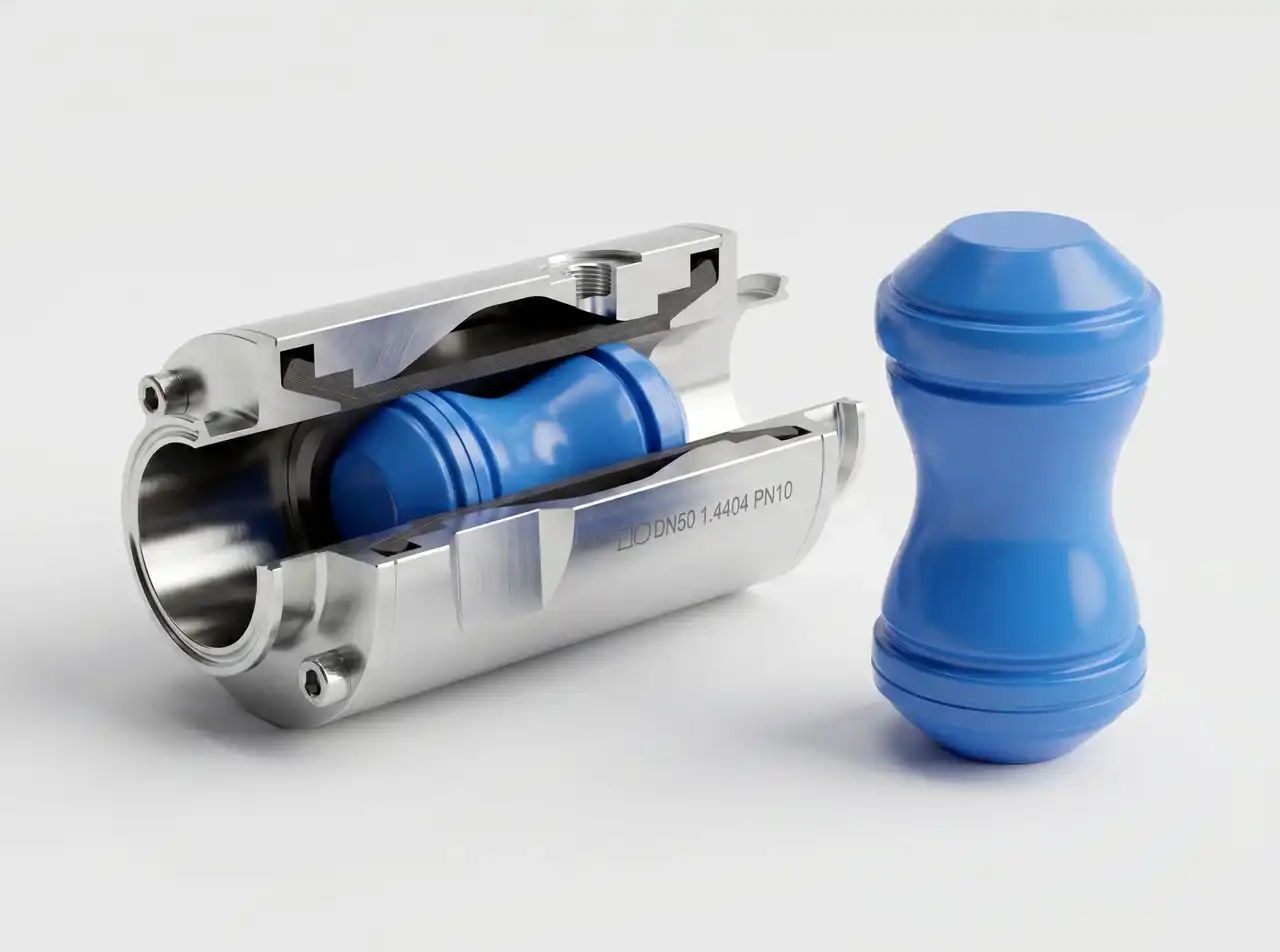
Single media contact: the sleeve only: The housing, the control air connection, the actuator—none of these components ever contact the process medium. Only the sleeve does. This enables precise, validatable material specification for exactly one component, without compromises for other parts.
Full automation capability: Pinch valves are pneumatically actuated—binary (open/close) or proportional for flow control tasks. They integrate seamlessly into PLC-controlled CIP/SIP sequences and enable fully automated, documented cleaning cycles without manual intervention.
Reliable sealing throughout the cleaning sequence: Between production phase and CIP cycle, valves must provide reliable separation. The pinch valve closes leak-free—even at elevated temperatures and against aggressive media—because the sleeve itself provides the sealing function, without relying on metallic seating pairs.
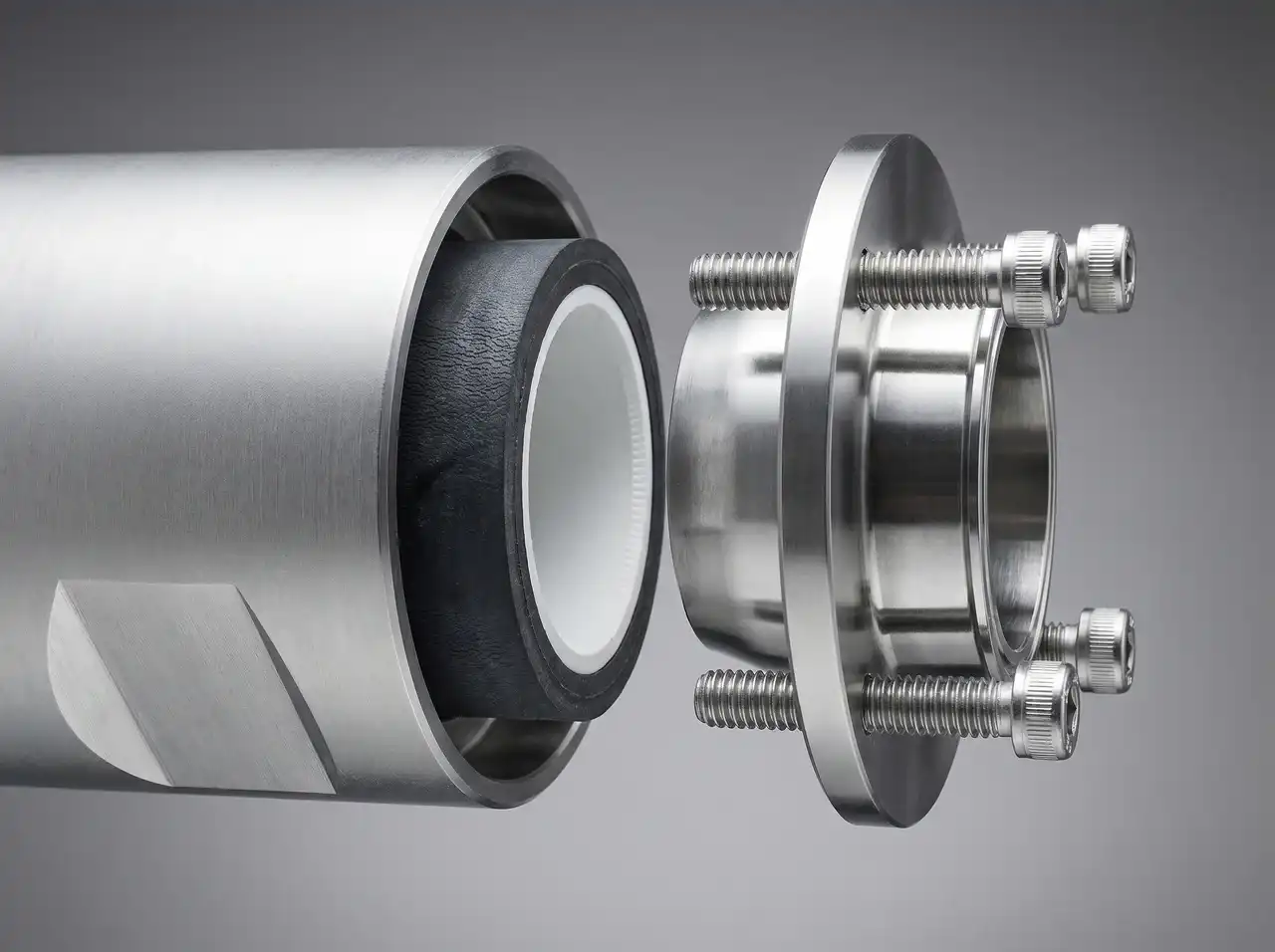
Not every pinch valve is automatically suitable for CIP/SIP applications. Sleeve quality, housing design, and connection type are decisive factors.
| Industry | Typical Medium | Key Requirement |
|---|---|---|
| Dairy & Dairy Processing | Raw milk, whey, cream | Frequent CIP cycles, elevated temperatures |
| Beverage Production | Syrups, smoothies, protein shakes | Viscous media, demanding cleaning requirements |
| Pharmaceutical Manufacturing | Active ingredient suspensions, powders | SIP-mandatory, GMP validation, material certificates |
| Biotechnology | Nutrient media, bioreactor lines | Sterile handling, zero metal contamination |
| Cosmetics Industry | Lotions, gels, emulsions | Sensitive formulations, zero residue in valve |
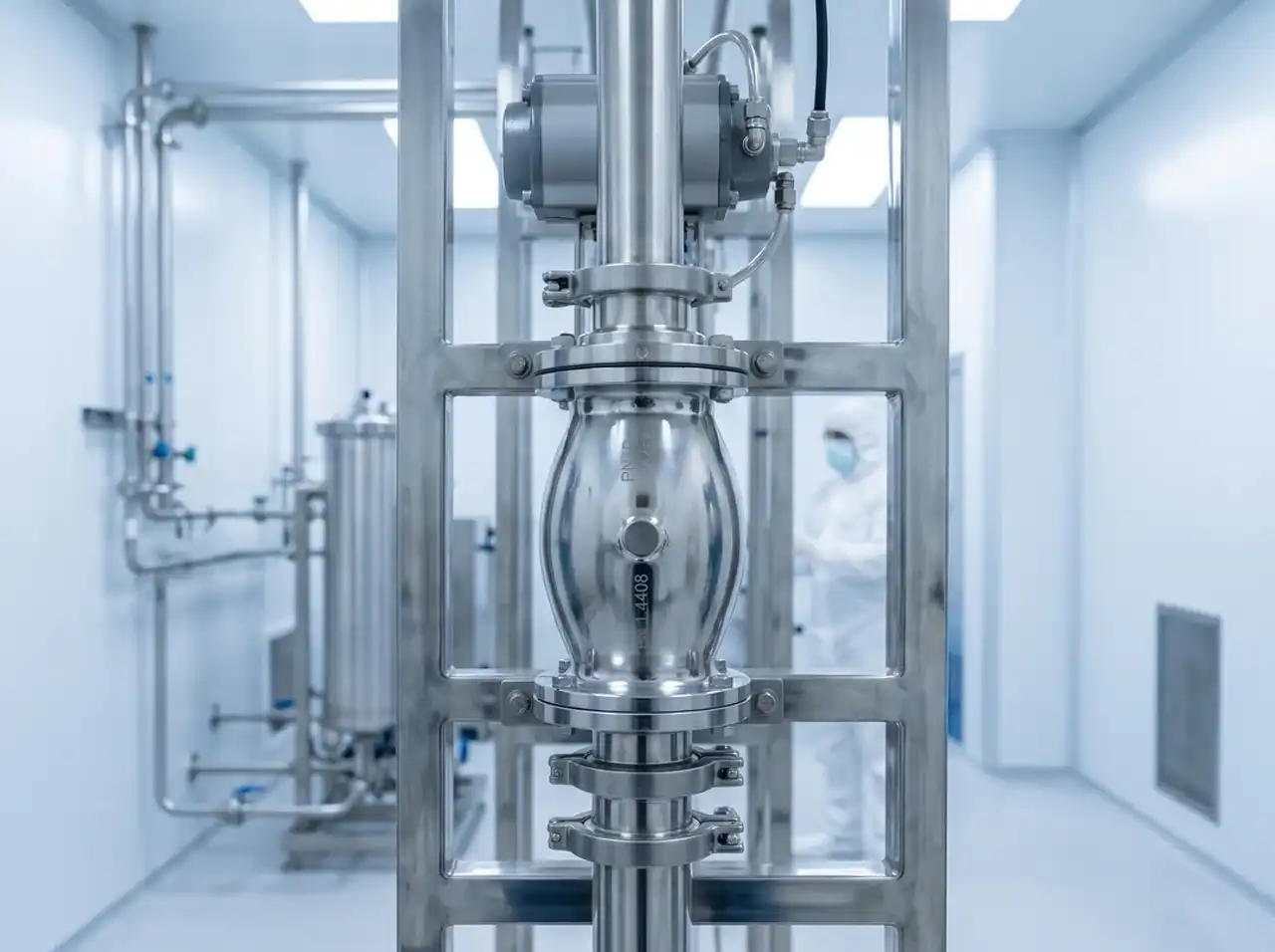
CIP- and SIP-capable does not mean a valve survives the cleaning cycle. It means the valve actively supports the hygiene of the entire plant—through dead-space-free design, validatable materials, and full automation capability.
The pinch valve principle meets these requirements not despite its simplicity, but because of it. Fewer components in media contact mean fewer contamination points, less validation effort, and less risk.
For plants that depend on CIP/SIP and simultaneously handle demanding media such as powders, suspensions, or viscous liquids, a high-quality pinch valve with the appropriate sleeve material is rarely the most expensive solution—but regularly the best one.