Pneumatic Pinch Valves for Maximum Service Life
Where conventional valves fail due to abrasion, clogging, or costly maintenance cycles, that’s exactly where our valves come into play.
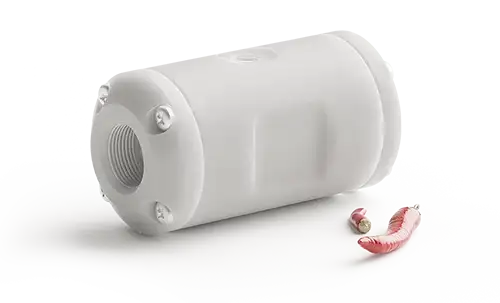
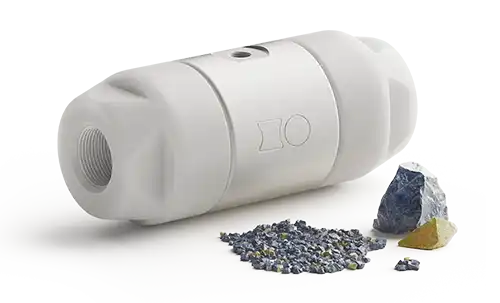
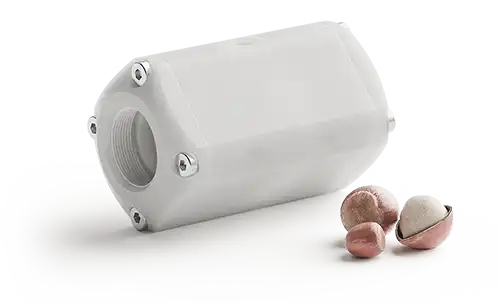
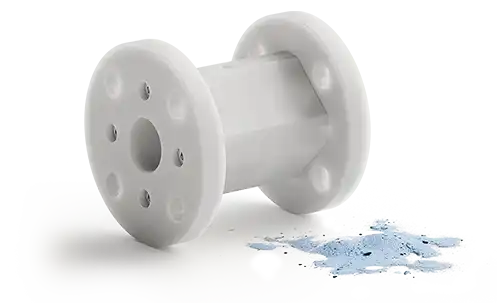
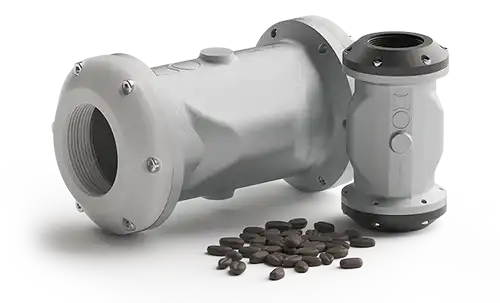
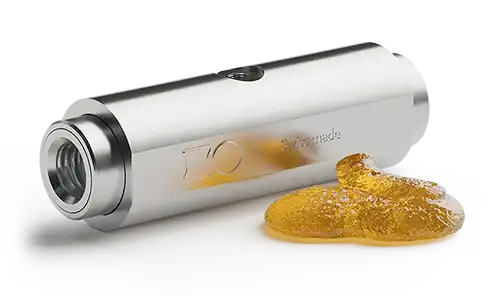
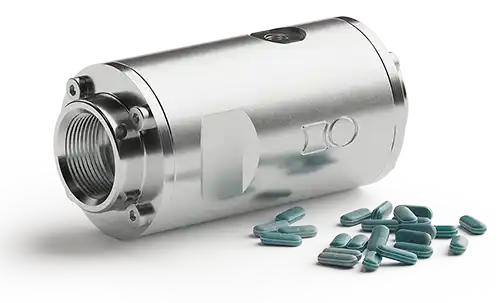
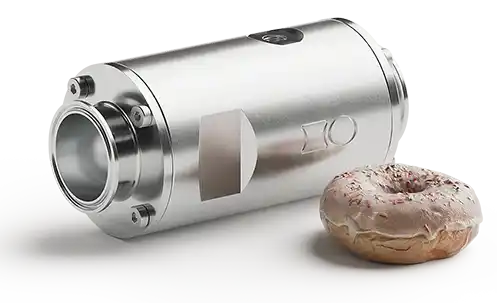
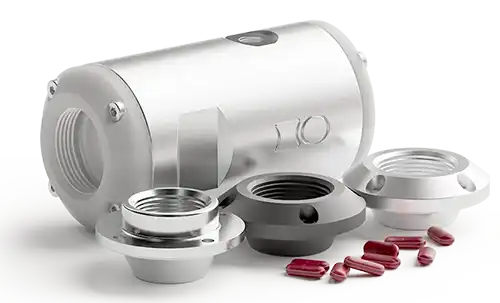
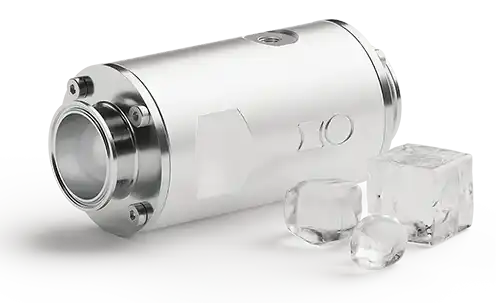
Plastic Valves (POM)
- Lightweight series for dosing & chemical applications
- Economical, compact, and corrosion-free
- Ideal for light-duty applications
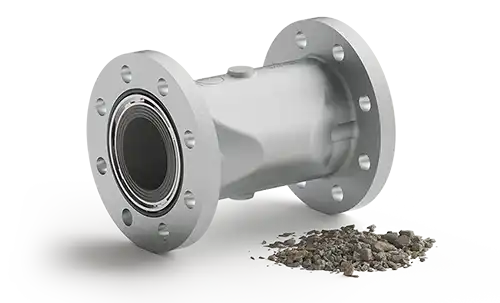
Aluminum Valves (Industry Standard)
- Robust standard for industrial use
- Proven in applications including automotive manufacturing, silo technology, and equipment engineering
- Durable aluminum housing
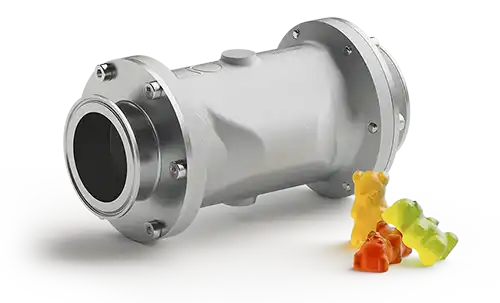
Stainless Steel Valves (High-Purity)
- Stainless steel optimized for pharma, food & chemical applications
- Durability & hygiene
- FDA-compliant, dead-space-free & CIP/SIP-capable
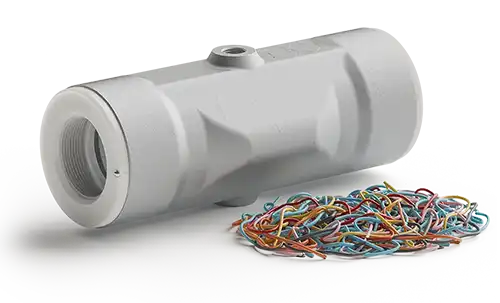
Special Solutions & Modular System
- Problem solvers & universal valves
- For extreme requirements
- Abrasive media or special installation situations
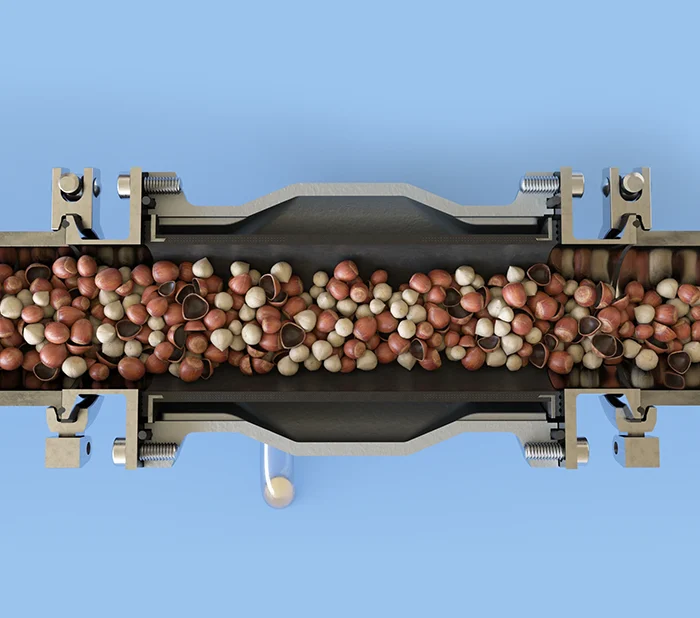
100% Free Flow
The valve’s internal diameter exactly matches the pipeline, eliminating bottlenecks. This significantly reduces pressure loss and reliably prevents clogging, even with abrasive or fibrous media.
Dead-Space-Free & Hygienic
No product residues can accumulate inside the valve body. This makes cleaning and product changeovers very easy and makes them ideal for applications in the food, pharmaceutical, and pigment industries.
Maintenance without Special Tools
In most series, it can be replaced in just a few minutes directly on site, without special tools. This drastically reduces maintenance effort, downtime, and service costs.
Industrial Pinch Valves Engineered for Demanding Processes—Quality & Innovation since 1977
We are not just a supplier: We are your engineering partner for superior process safety and demonstrably lower total operating costs.
Our pinch valves are optimized for longevity and therefore measurably minimize resource consumption. An investment that protects your balance sheet and reduces your environmental footprint.
Where are pinch valves used in industry?
The following examples show just a selection of the diverse applications for our sleeves for pinch valves and hose pinch valves.

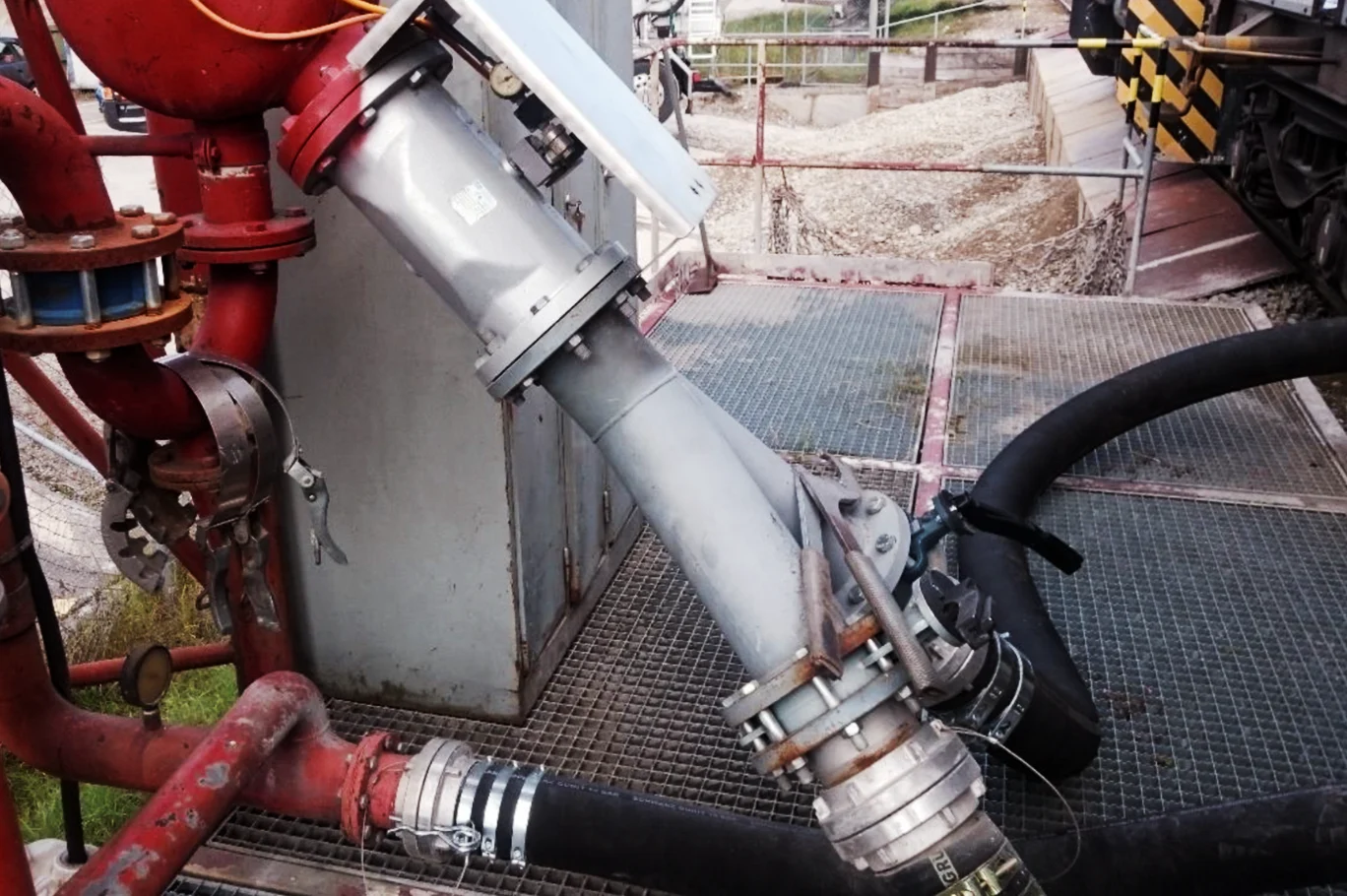
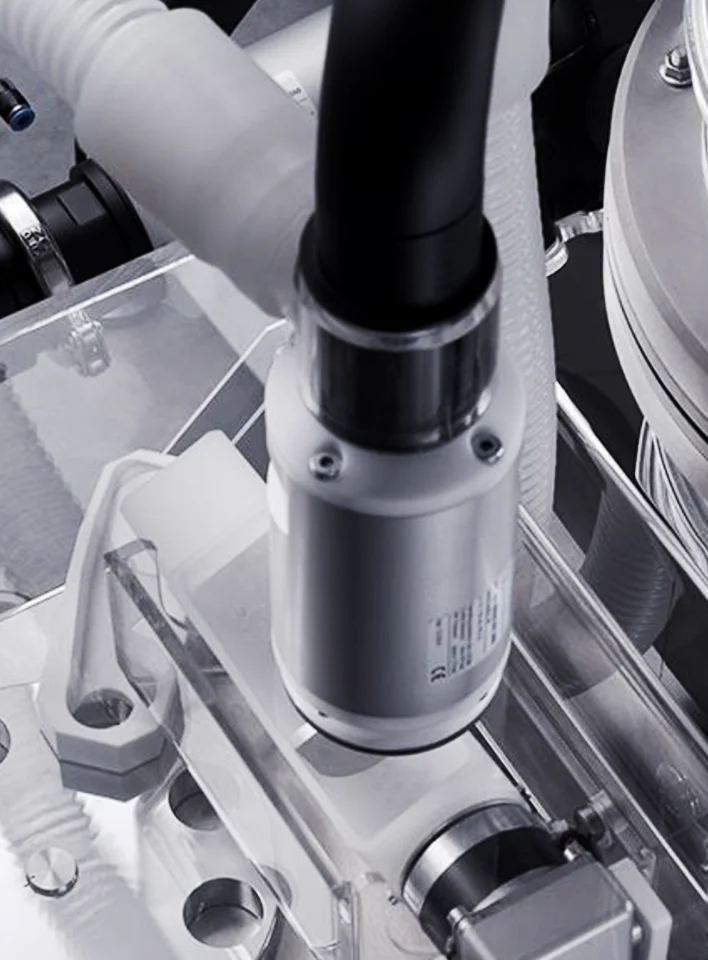
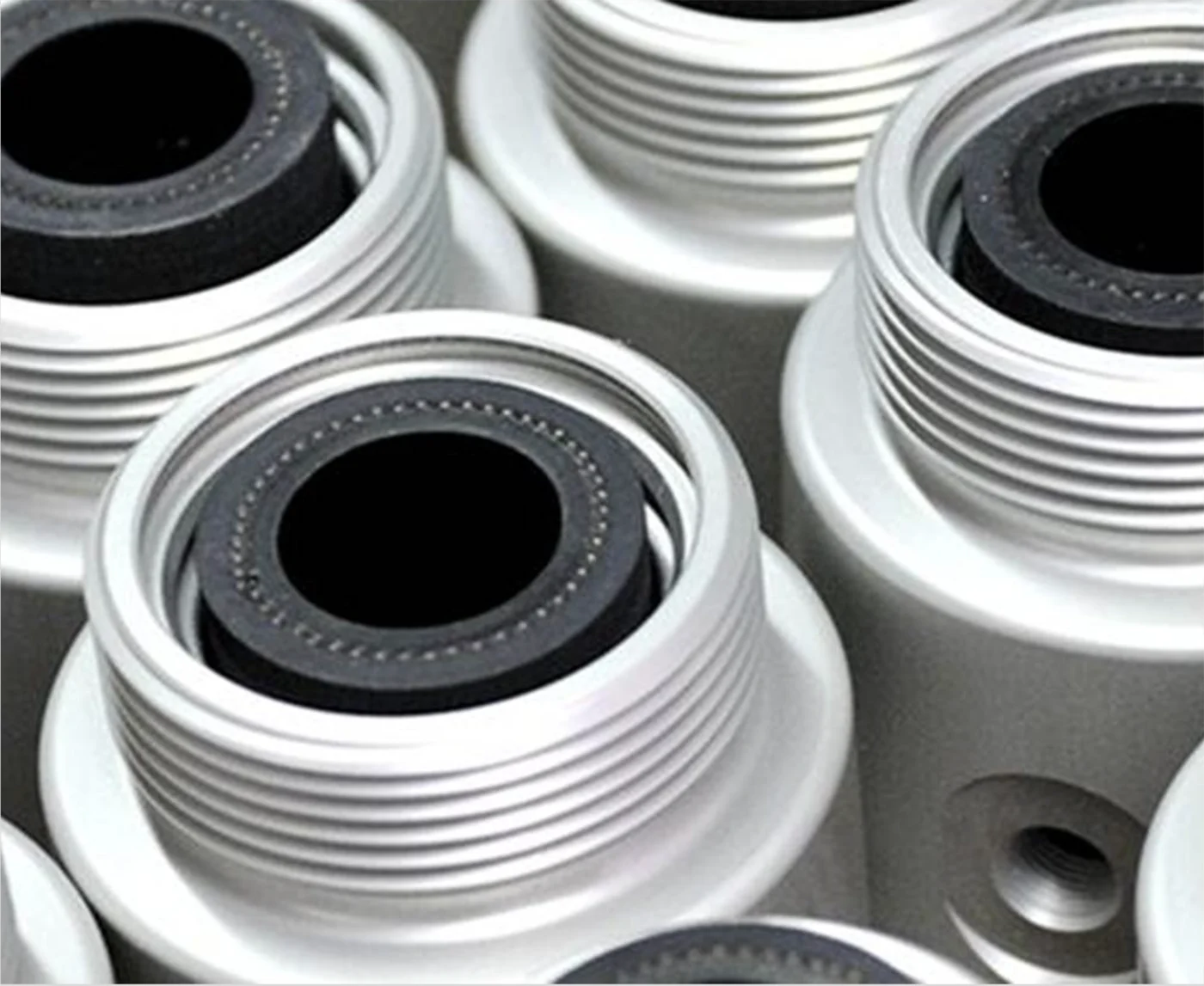
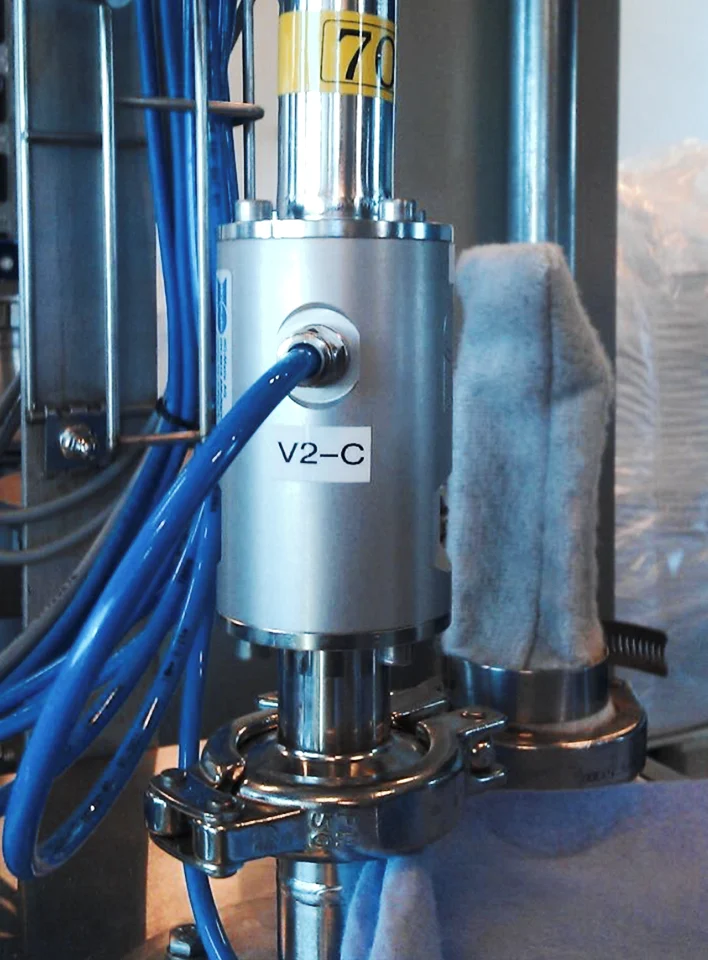
Our engineering team is constantly searching for new materials to expand the already extensive application range of our valves. Thanks to local manufacturing, we can also implement custom pinch valve solutions quickly and flexibly.



How Does an HO-Matic Pinch Valve Differ from a Conventional Ball Valve?

The decisive difference is the free flow. While ball valves and butterfly valves have mechanical parts and dead spaces in the flow path where material can settle, our valve provides a completely unobstructed, full-bore passage. This prevents clogging with granules and drastically reduces wear caused by abrasion.
Can I also Control Abrasive Media such as Sand, Cement, or Bulk Materials with the Pinch Valve?
Yes, that is our specialty. Our highly abrasion-resistant NR sleeves (natural rubber) gently enclose solid materials instead of crushing them. This keeps our rubber-sleeved pinch valves tight and functional where metallic valves quickly fail due to erosion.
How Complex Is the Maintenance of Pinch Valves or the Sleeve Replacement?
Thanks to our patented design, maintenance is extremely efficient. In many series (such as Series 40), the sleeve can be replaced in just a few minutes using the QSV bayonet lock, often without removing the entire valve from the pipeline. That massively reduces downtime.
Are Pneumatic Pinch Valves Suitable for Food and Hygiene Applications?
Absolutely. We offer special configurations (e.g., Series 78) with FDA-compliant sleeves (EPDM, NBR, NR-L, NR-LH, silicone) and hygienic Tri-Clamp connections. The dead-space-free design also enables effective CIP/SIP cleaning without disassembly.
What Exactly Are Pinch Valves?
Pinch valves are pressure-actuated shut-off devices for use in industrial automation. They can also be used as dosing or control valves when the control pressure is varied. HO-Matic pinch valves are built according to the latest findings and comply with the requirements of the pressure equipment directive 2014/68/EU.
How Are Pinch Valves Constructed?
Hose pinch valves have a simple and robust design that ensures high operational reliability and long service life. They consist of a housing with an integrated control chamber and a coaxially installed cylindrical hose sleeve. With this type of pinch valve, there are no bulky control or drive attachments, so they are also ready for use in confined spaces.
What Are the Installation Options for Pinch Valves?
HO-Matic pinch valves are available as standard in two basic designs:
• Type G—Threaded connection: Valves of this type have internal thread connections from G ¼" to G 3". They require less installation space and are particularly suitable for compact systems.
• Type F—Flanged connection: These valves have flanges according to DIN PN 10/16 and are available in sizes from DN 32 to DN 150. Flanged valves are mainly used for larger pipeline cross-sections and can be installed and removed quickly.
• Tri-Clamp: This hygienic connection variant is frequently used in the food, pharmaceutical, and biotechnology industries. The connection is made via Tri-Clamp clamp connections for fast assembly and simple cleaning.
• Dairy pipe: Pinch valves with milk pipe connections are specially designed for hygienic piping systems. They meet high requirements for cleaning, tightness, and process safety.
How Does a Pinch Valve Work?
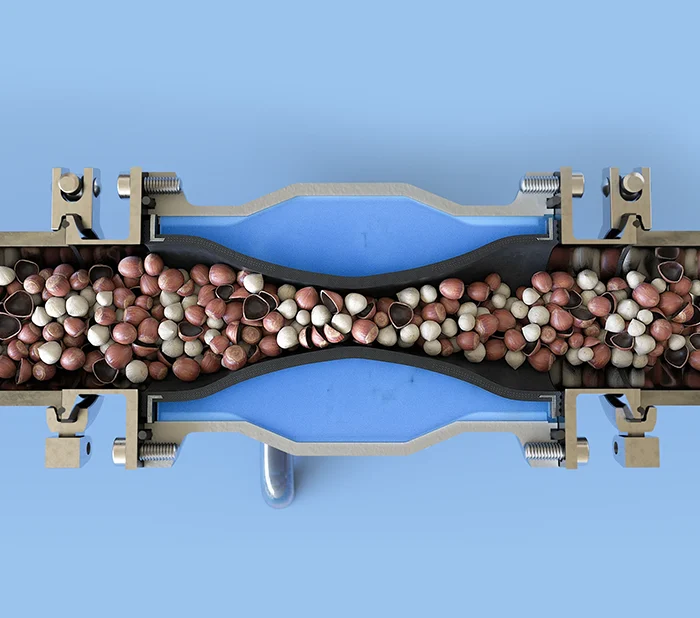
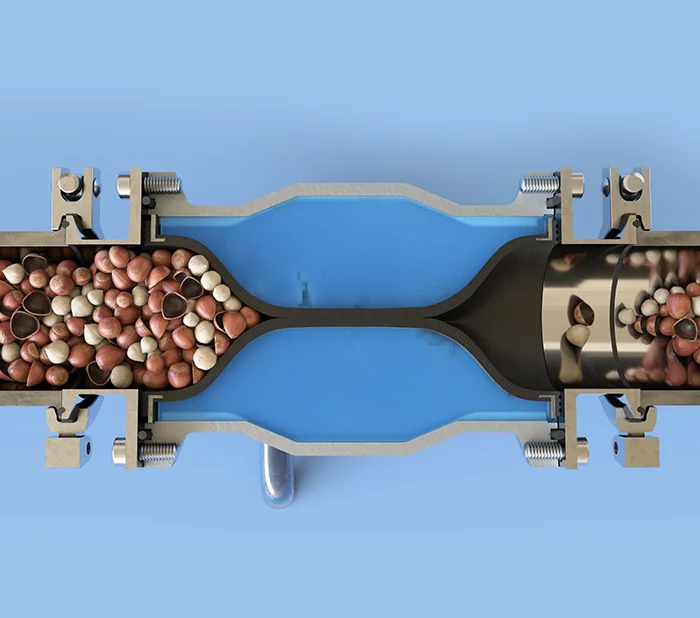
The highly elastic hose sleeve, which is installed in the valve body, is enclosed by a control chamber. When a control medium such as compressed air or water is introduced into this chamber, the initially round sleeve is deformed into an oval or flat shape and completely closes the flow path. As long as control pressure is applied, the pinch valve remains closed.
Pinch valves can be actuated pneumatically with compressed air or hydraulically with a pressurized liquid such as water. Compressed air is the most common choice, offering fast response times and simple system integration.