 HO-Matic Editorial Team
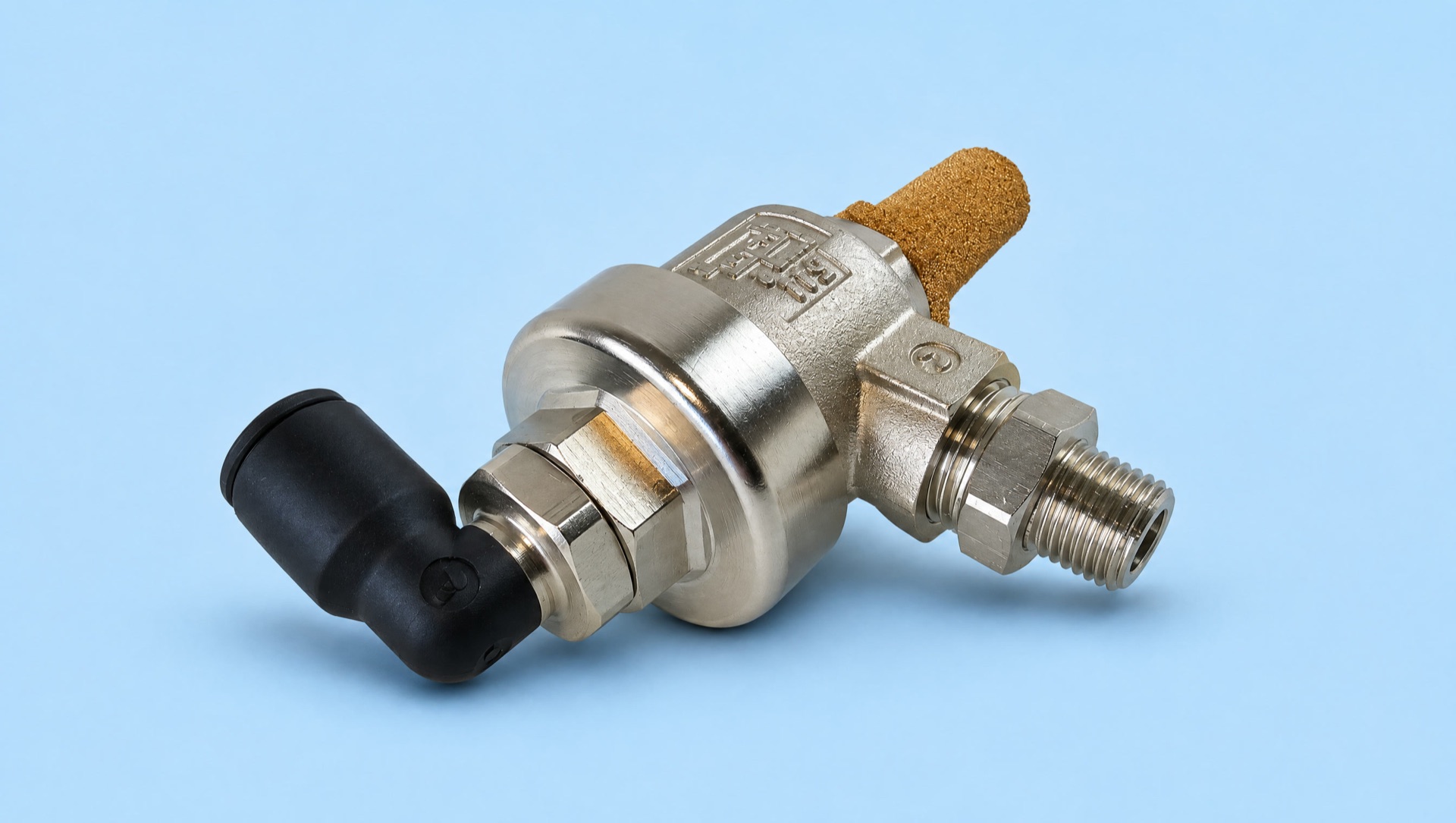
A quick exhaust valve is a pneumatic component with three ports that routes the exhaust air of a cylinder or control chamber to atmosphere by the shortest path. It sits between the control valve and the consumer and switches solely through the pressure differential, with no electrical signal and no actuation of its own.
In pinch valve systems, this exhaust path decides the opening time. As long as the control air has to flow back through the entire control line to the solenoid valve, the sleeve opens with a delay. This article explains how a quick exhaust valve works, shows the difference between cylinder and pinch valve applications and names the limits above which installation pays off.
How Does a Quick Exhaust Valve Work?
A quick exhaust valve works with a movable diaphragm and three ports. The diaphragm is not actuated; it follows only the pressure ratio between supply air and consumer. This gives two operating states.
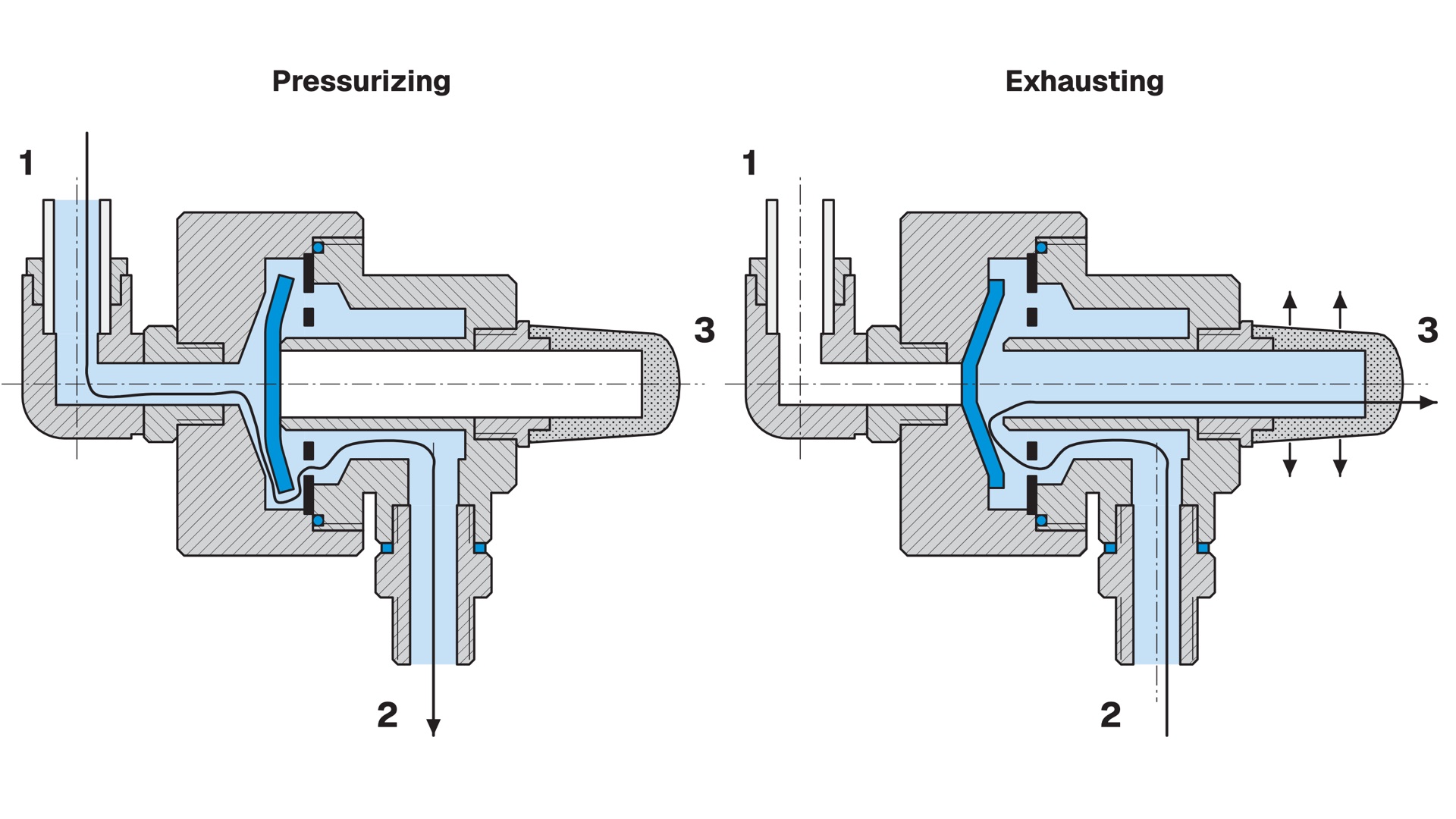
- Port 1 (P) – Supply air: Connection to the control or solenoid valve.
- Port 2 (A) – Consumer: Connection to the cylinder or to the control port of the pinch valve.
- Port 3 (R) – Exhaust air: Opening to atmosphere, usually with a considerably larger cross-section than the supply air.
Pressurizing: When pressure is present at port 1, the diaphragm presses the exhaust passage shut. The air flows unhindered from 1 to 2 to the consumer.
Exhausting: When the pressure at port 1 drops, the diaphragm flips to the opposite side. It closes off the supply air and opens the large exhaust cross-section. The air escapes from 2 to 3 directly into the atmosphere instead of flowing back through the control line and control valve.
The mounting position is decisive for the effect. The closer the valve sits to the volume to be exhausted, the shorter the exhaust path. That is why a quick exhaust valve is screwed on directly and not connected through a length of line.
Quick Exhaust in Pneumatics: Why the Exhaust Path Determines Cycle Time
The cycle time of a pneumatic actuator depends not only on how fast air is supplied but above all on how fast it escapes again. Every meter of control line, every fitting and every change of cross-section creates flow resistance and with it back pressure.
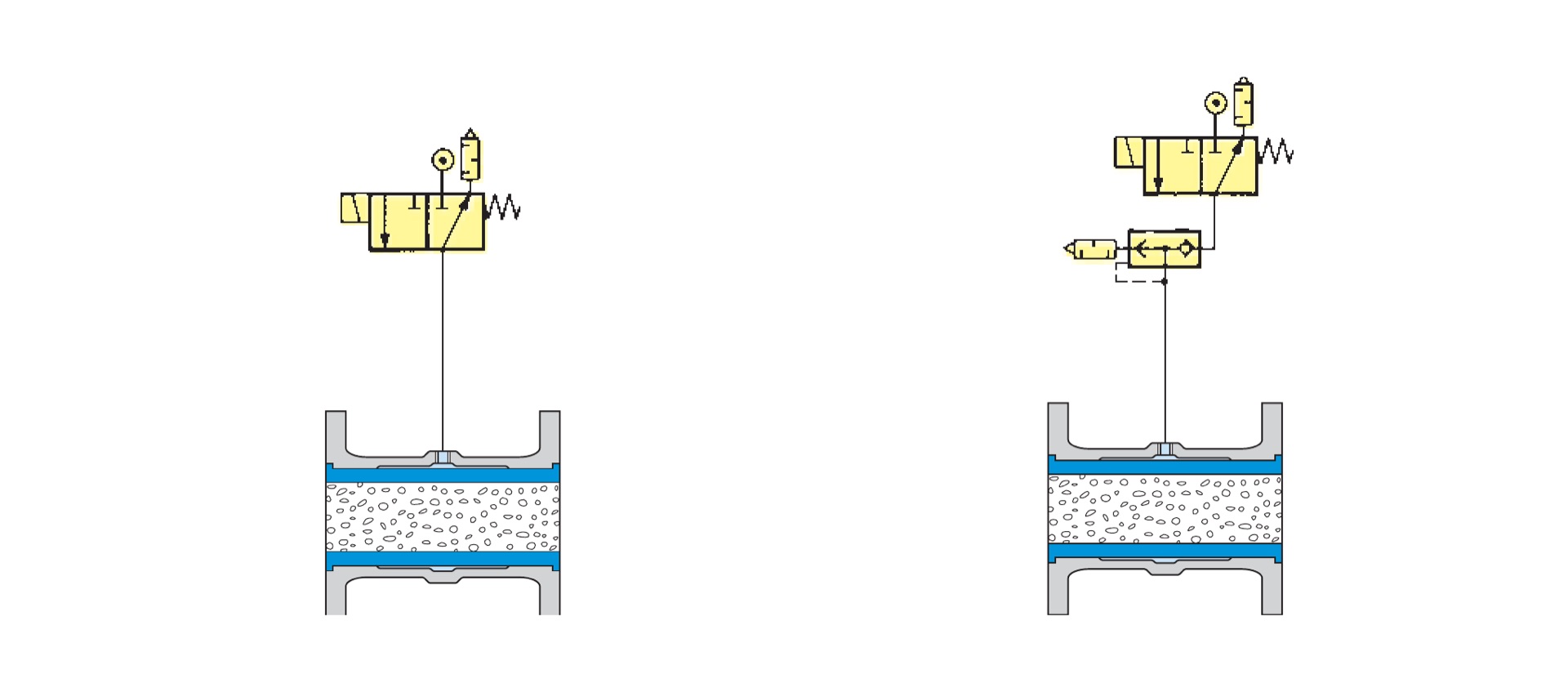
Without quick exhaust, the exhaust air travels the same path the supply air took. With quick exhaust, it is a few centimeters. This difference acts directly on response time, cycle rate and energy demand of the plant, and in pinch valve systems on sleeve wear as well.
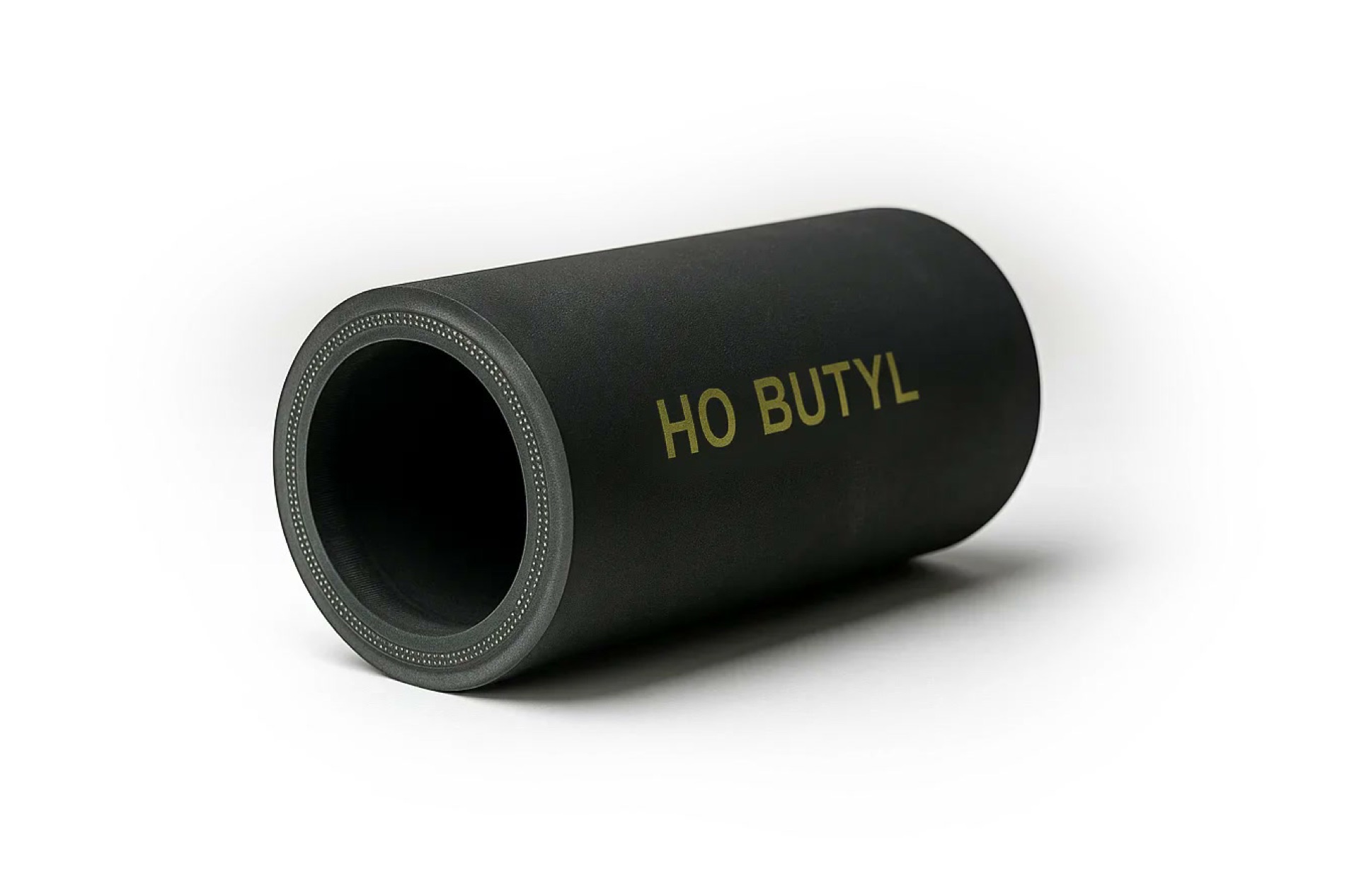
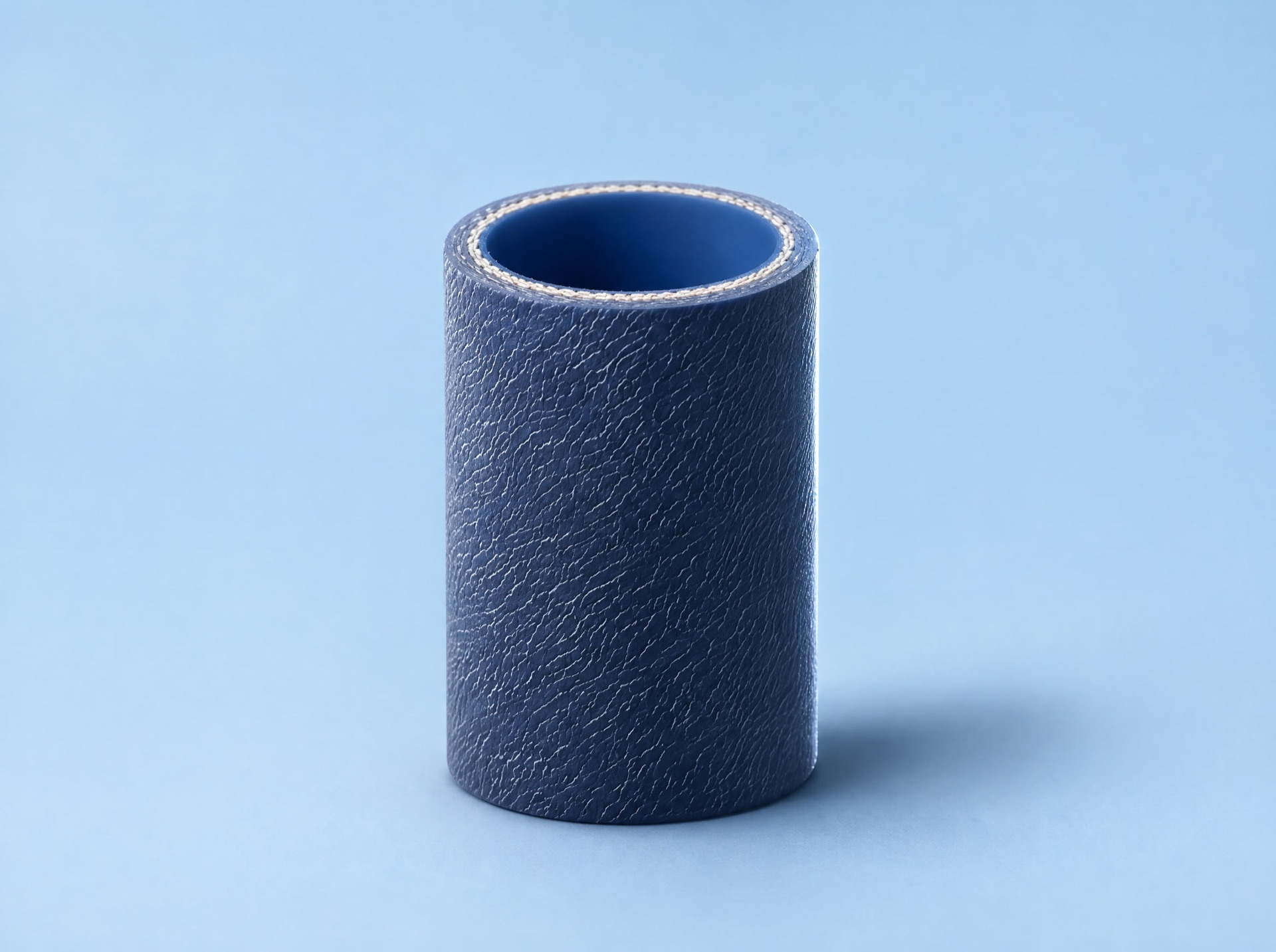
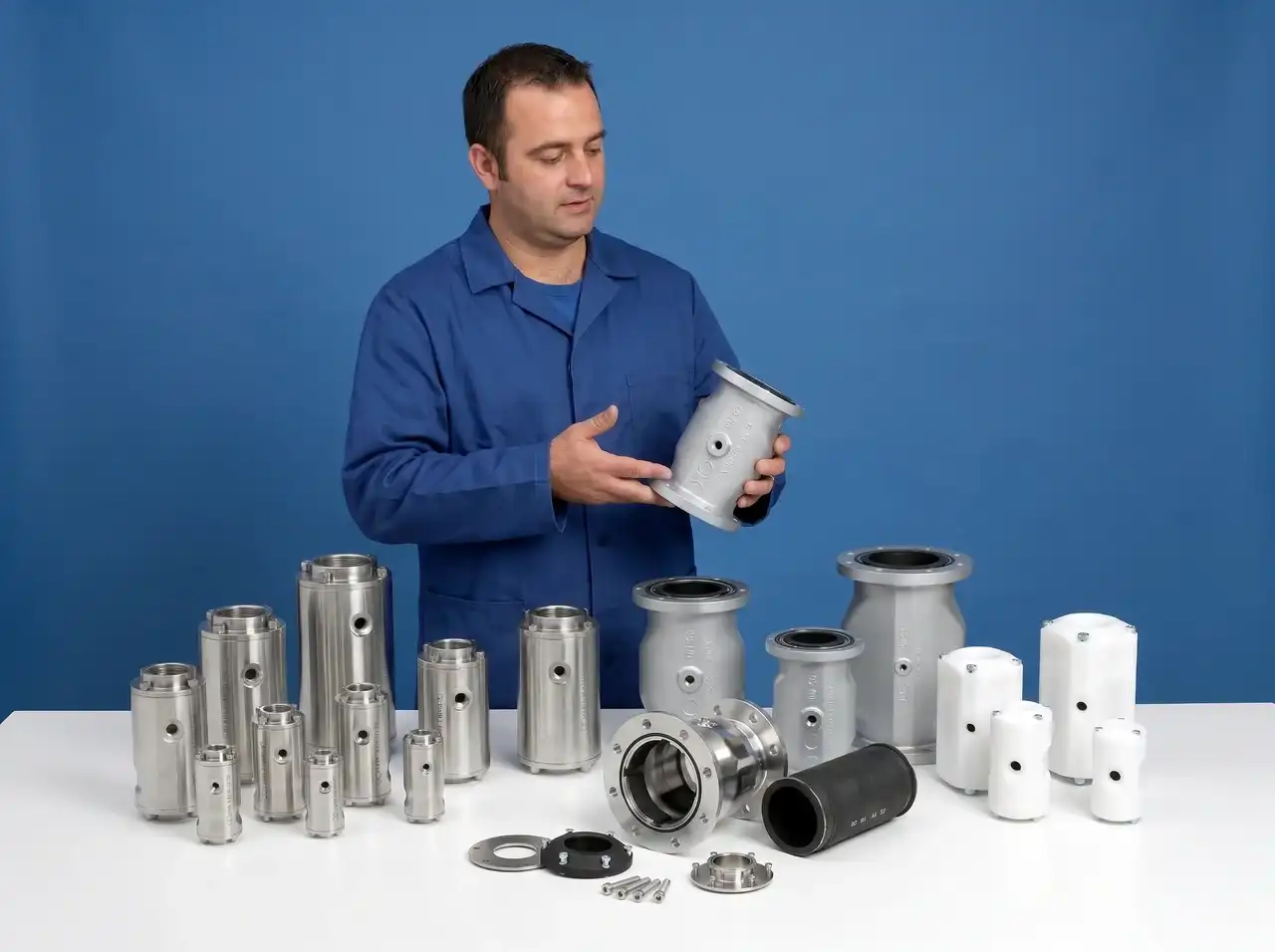
Pinch valves come with manual, pneumatic and electric actuation. Only the pneumatic version is relevant for quick exhaust, since control air is moved only there. Which design, which material and which nominal size suit the process is decided case by case: our pneumatic pinch valves cover DN 6 to DN 150, from the compact plastic valve to the flange valve for silos.
The Quick Exhaust Valve on the Pinch Valve
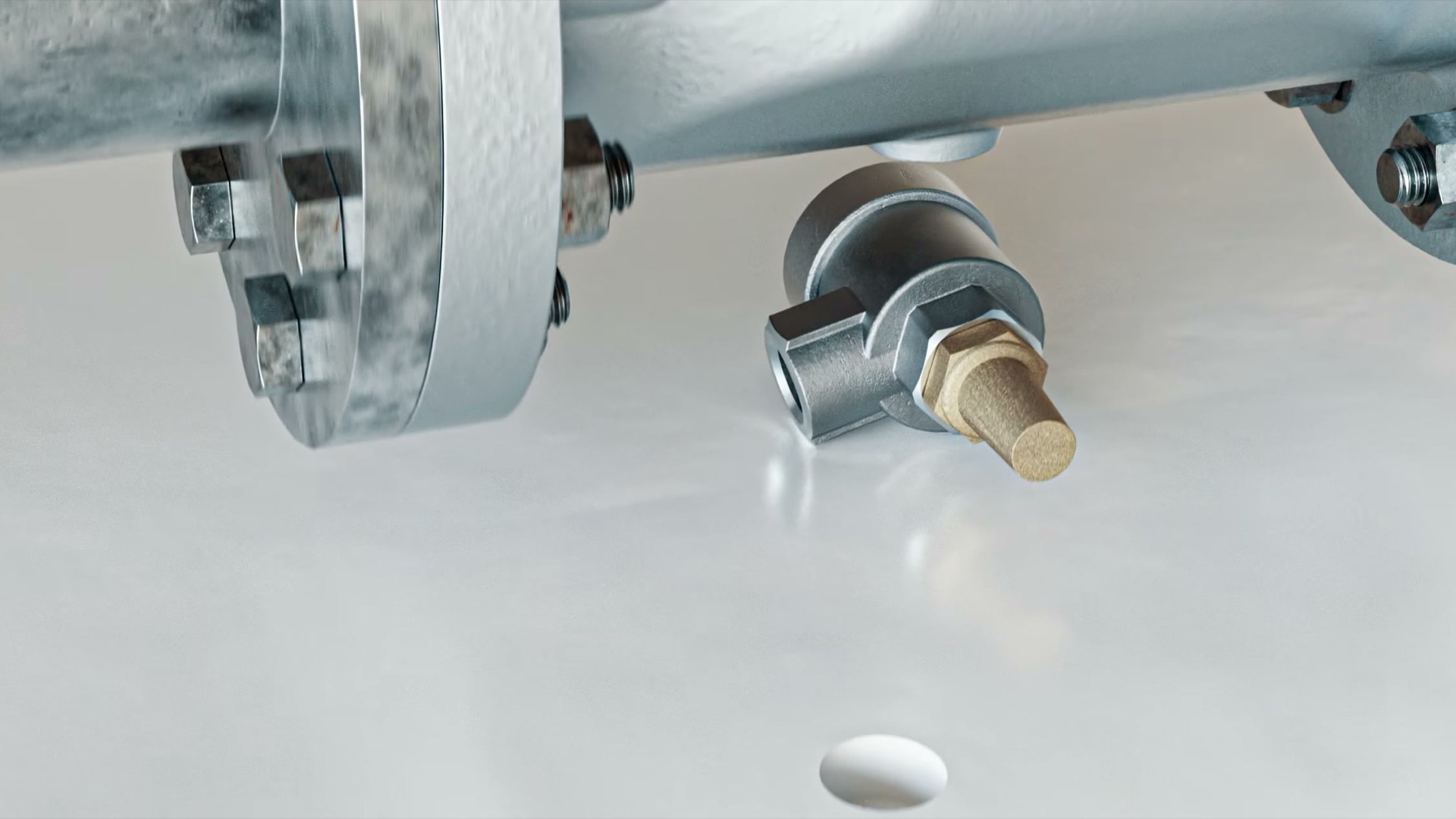
On a pneumatic cylinder, an SEV exhausts a cylinder volume. On a pinch valve, it exhausts the control chamber that surrounds the sleeve. The principle stays identical, the consequence is different: only when the control chamber is depressurized does the sleeve return to its round initial shape and release the full pipe cross-section.
Why Is an SEV Recommended?
That is why we at HO-Matic recommend mounting the quick exhaust valve directly on the control port of the pinch valve. The valve then opens quickly, regardless of the size and distance of the pilot valve. In demanding industries such as chemicals, pharma or food processing, where plants regularly go through CIP and SIP cleaning, there is a second effect: if the elastomer sleeve tears, no conveyed material gets into the control system. Only the SEV is affected then, not the solenoid valve and not the pressure regulation.
The Key Features of Quick Exhaust Valves at a Glance
- Fast valve opening: The control air escapes at the valve body instead of through the control line. That shortens the opening time and raises the possible cycle rate.
- Stable product flow: Because the sleeve opens evenly and completely, the material flow stays constant instead of starting in surges.
- Protection of the control system: Particles or liquid from a defective sleeve stay in the SEV and do not reach the solenoid valve or control equipment.
Taken together, this means longer sleeve service life, fewer unplanned downtimes and more predictable maintenance planning.
When Does a Quick Exhaust Valve Pay Off?
Not every pinch valve needs an SEV. What matters is the control volume to be exhausted and the length of the exhaust path. Two values have proven themselves in practice as thresholds: nominal sizes from DN 80 and control lines from three meters in length. Below that, a pinch valve usually opens quickly enough even without quick exhaust, as long as control pressure and media temperature stay within the design limits of pneumatic pinch valves.
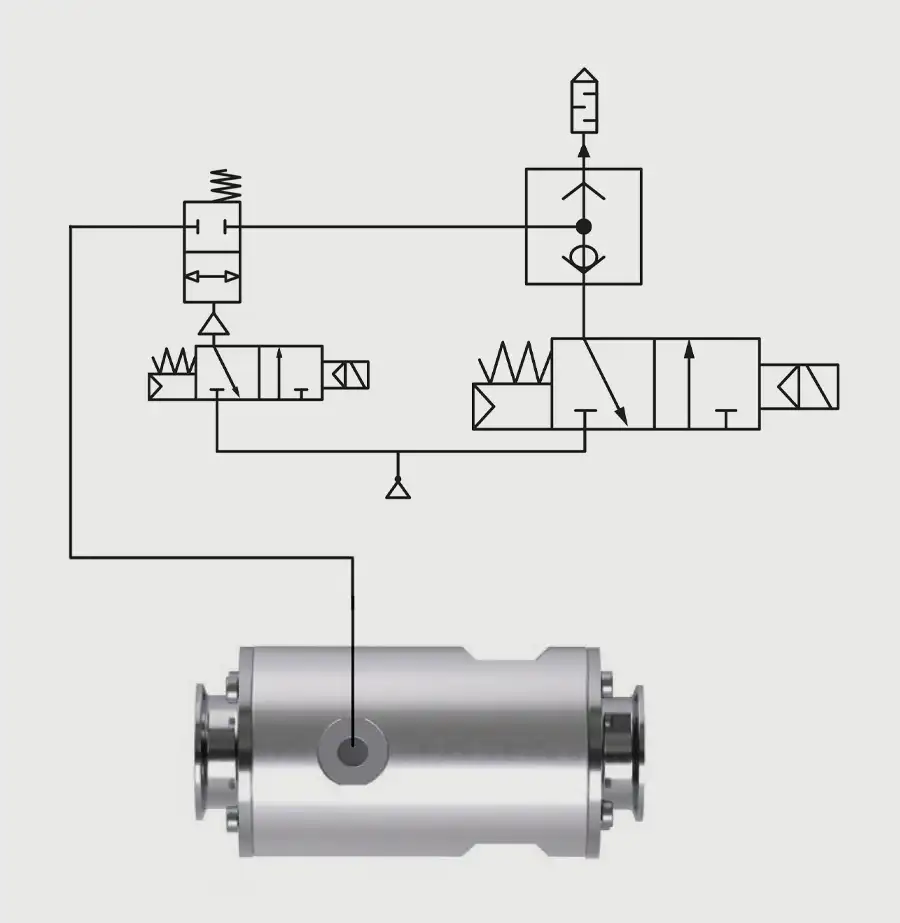
In addition, some applications benefit regardless of nominal size: high switching cycles, emergency shutdowns and processes with abrasive media. There, every tenth of a second saved shortens the time the sleeve remains partly compressed in the product stream, and it is in precisely this phase that most of the wear occurs.
If the pinch valve is used in a suction line with more than 0.1 bar of negative pressure, quick exhaust alone is not enough. Pressure equalization on the control side is then required, for example via a vacuum unit. SEV, solenoid valve and pressure regulation are therefore sized together as a complete pneumatic valve control.
The advantages of this integrated system are particularly pronounced in certain industrial applications:
| Application | Specific advantage of the combined system |
|---|---|
| Emergency shutdown | Quick interruption of the flow for hazard prevention |
| High-speed filling | Precise control of fill time through fast closing of the valve |
| Robot automation | Faster and more precise movements of pneumatic actuators |
| Pneumatic conveying | Fast starting and stopping of the material flow |
| Vacuum systems | Fast exhausting to control the vacuum level |
| Filling and dosing | Higher efficiency through faster valve cycles |
| Bagging machines | Fast and accurate material dosing |
| Tanker truck filling | Efficient and safe material transfer |
| Mixing processes | Improved control of ingredient flow and timing |
| Spraying applications | Precise control of spray duration and intensity |
| Abrasive/corrosive media | Reduced sleeve wear through faster opening/closing times |
This table illustrates how the fast pressure reduction achieved by integrating a quick exhaust valve into a pneumatic pinch valve brings considerable advantages in a wide range of industrial processes.
What Happens Without a Quick Exhaust Valve?
Without a quick exhaust valve, the control air has to travel the entire path through control line and solenoid valve. The pinch valve opens with a delay, and the delay grows with nominal size and line length. In cycled dosing or conveying processes, this adds up over a shift to measurable throughput losses.
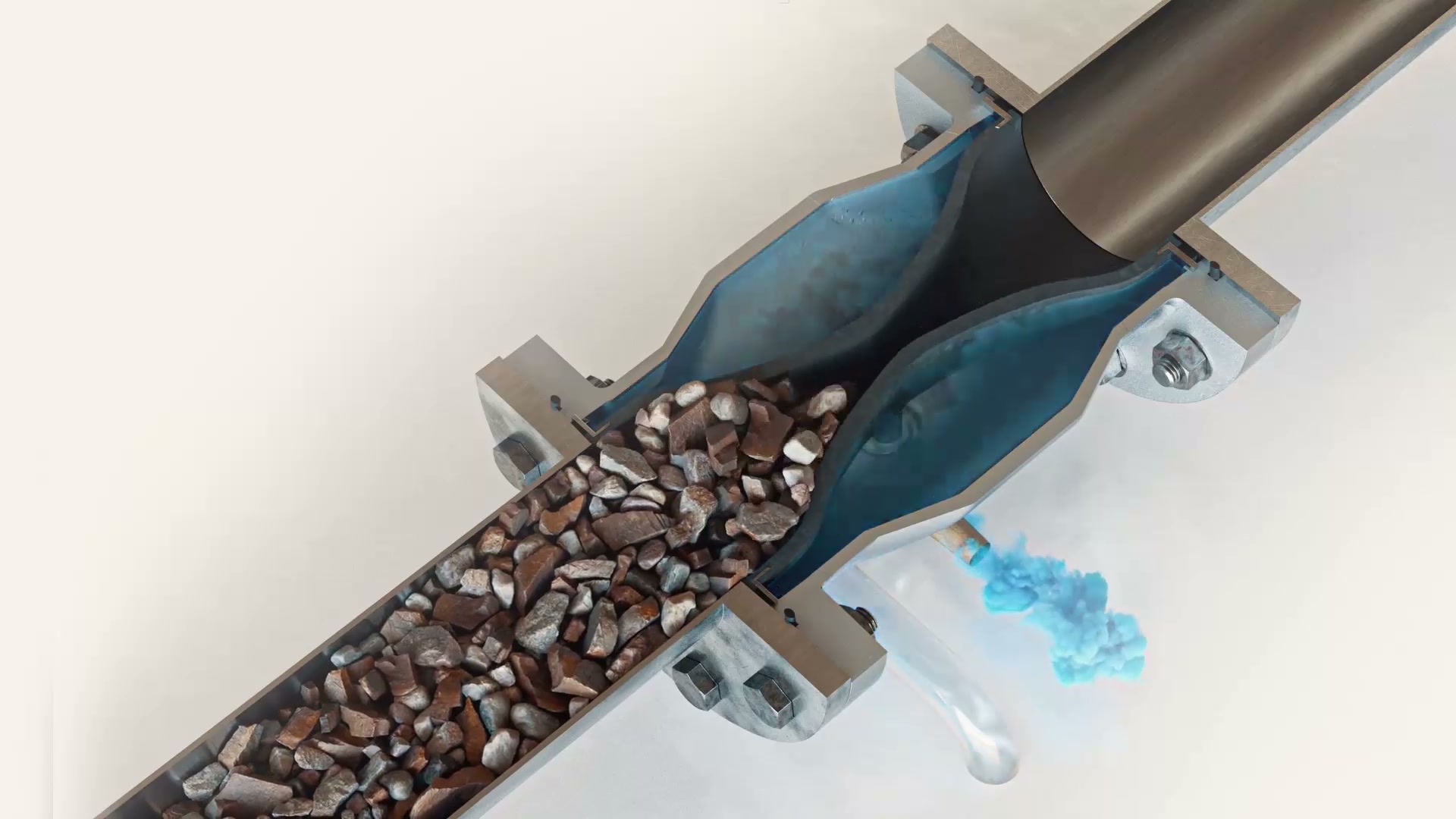
The mechanical consequence is more critical. The longer the sleeve remains partly open in the product stream, the longer shear forces act on the elastomer. With abrasive media such as sand, cement or granulate, this speeds up wear considerably. How much depends on the sleeve grade: natural rubber elastically cushions abrasive particles, while harder elastomers are roughened faster.
The solenoid valve is also loaded more heavily, because it has to carry the complete exhaust flow. If the exhaust cross-section is not sufficient, back pressure builds up in the system, with the risk that the valve does not open fully.
HO-Matic Pinch Valves and Valve Control
Since 1977 we have been developing and manufacturing pneumatic pinch valves in Switzerland for media where conventional valves fail: solids, powders, slurries, pastes and corrosive media. The sleeve is the only component in contact with the medium and the only wear part.
Our patented QSV technology (Quick Servicing Valve) with bayonet lock makes a sleeve change possible in a few minutes on many series, often without removing the valve from the pipeline. The oval housing design additionally reduces control air consumption.
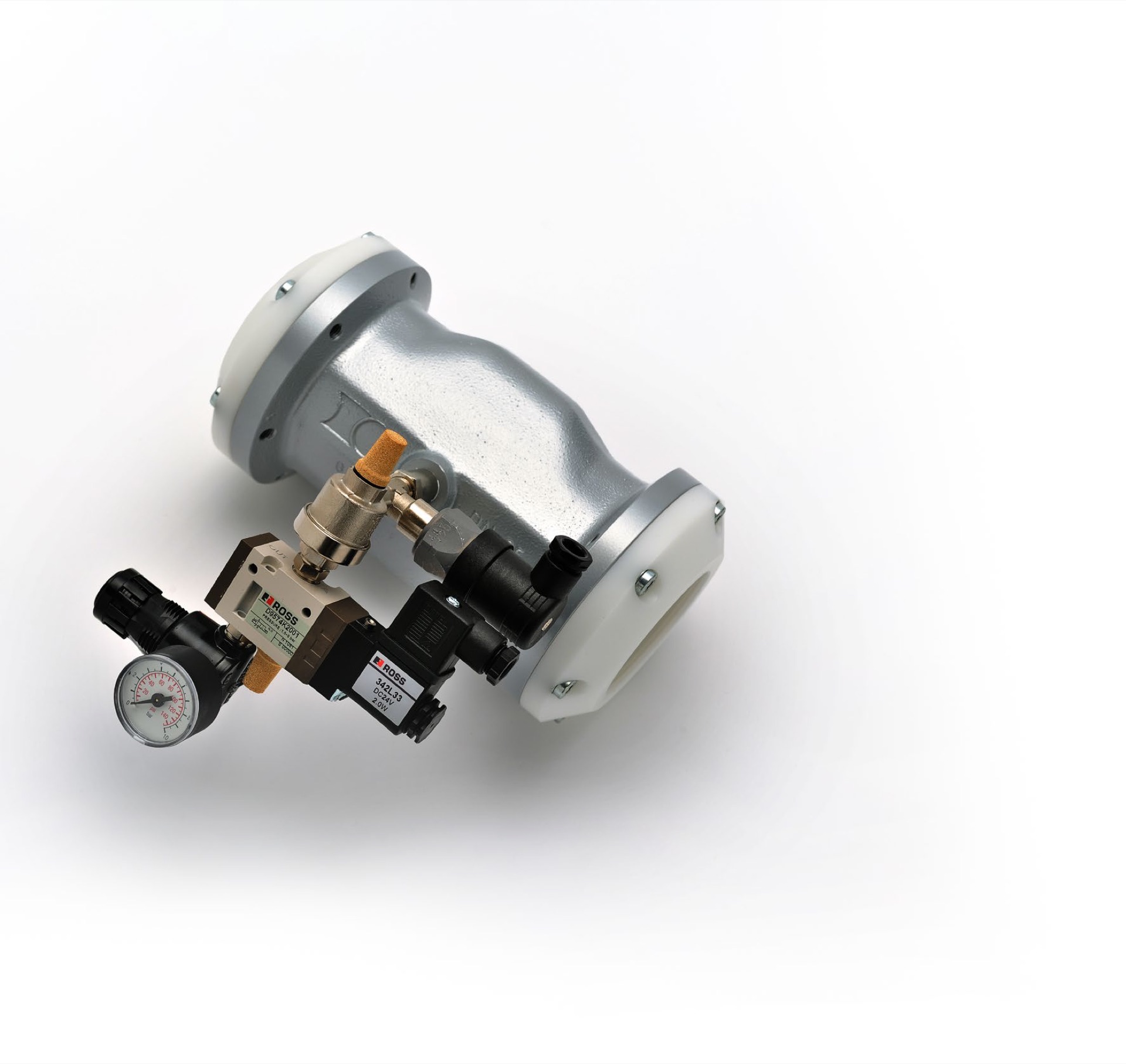
Along with the valve, we supply the matching control unit: solenoid valves, pressure regulation, quick exhaust valves and vacuum solutions. For special installation situations, we build custom pinch valves, even in small quantities.
Not sure whether a quick exhaust valve pays off in your plant? Tell us the nominal size, control line length and cycle rate. Our engineering team will size the valve control to match.
FAQ: Quick Exhaust Valve
What Is a Quick Exhaust Valve?
A quick exhaust valve is a pneumatic component with three ports that routes exhaust air directly at the consumer to atmosphere. It sits between the control valve and the cylinder or pinch valve and switches solely through the pressure differential. As a result, the air does not have to travel the entire path through the control line.
What Is the Operating Principle of a Quick Exhaust Valve?
A movable diaphragm opens either the supply air or the exhaust air passage, depending on the pressure ratio. When pressure is present at port 1, the air flows to the consumer and the exhaust passage stays closed. When the pressure drops, the diaphragm flips, closes off the supply air and opens the large exhaust cross-section to the outside.
What Is the Function of a Quick Exhaust Valve on the Pinch Valve?
On the pinch valve, the quick exhaust valve exhausts the control chamber that surrounds the sleeve. Only when this chamber is depressurized does the sleeve return to its round shape. The valve then opens quickly, regardless of the size and distance of the pilot valve.
Where Is a Quick Exhaust Valve Installed in Pneumatics?
Directly at the volume to be exhausted, that is, right at the cylinder or at the control port of the pinch valve. Every length of line between valve and consumer extends the exhaust path and weakens the effect. It is screwed on without an intermediate piece.
When Does a Quick Exhaust Valve Pay Off in Pneumatics?
In pinch valve systems from nominal size DN 80 or with control lines longer than three meters. Regardless of that, installation pays off with high switching cycles, with emergency shutdowns and with abrasive media. With small nominal sizes and short lines, the time saved is small.
How Can a Pinch Valve Be Opened Quickly?
With a quick exhaust valve at the control port, a correctly sized control pressure and a short path to the solenoid valve. The control pressure should be about 2 to 2.5 bar above the process pressure. With negative pressure in the line, pressure equalization on the control side is also required.
Does a Quick Exhaust Valve Extend the Service Life of the Sleeve?
Yes, indirectly. Wear arises mostly during opening and closing, when the sleeve remains partly compressed in the product stream. The shorter this phase, the lower the shear load, especially with abrasive media.