 HO-Matic Editorial Team
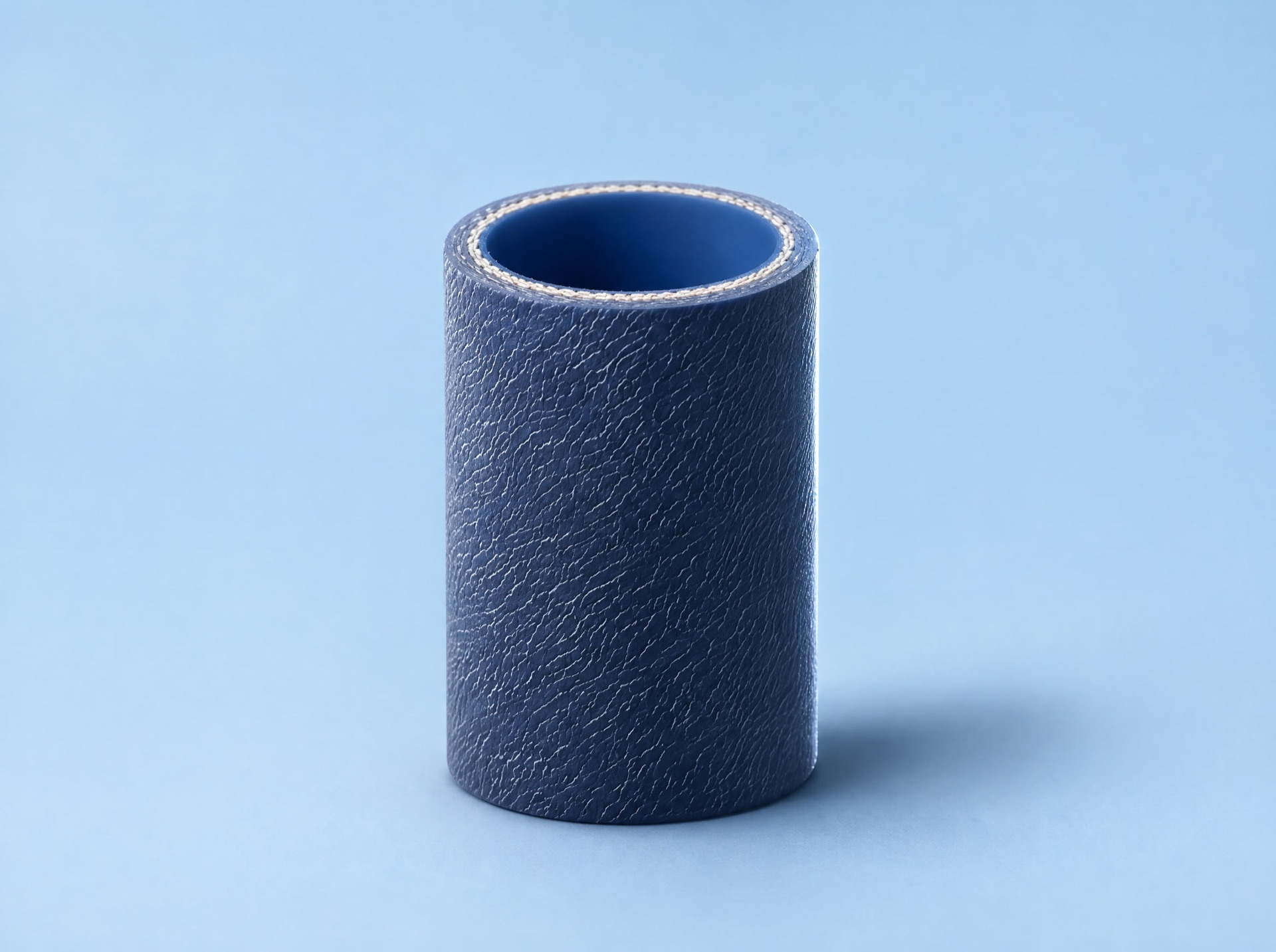
Aggressive solvents, acids and alkalis decide the service life of the sleeve in a pinch valve: it is the only wetted component. If the elastomer swells, hardens or lets vapors through, the valve fails. Choosing the sleeve material is therefore not a question of detail but the central design decision for every pinch valve that handles chemically demanding media.
This article explains what butyl rubber’s resistance covers and where its limits lie, why low sleeve gas permeability matters in a pinch valve, and how to select the right sleeve material for your media.
One point of clarification: a butyl sleeve here means the elastomer sleeve for pinch valves, not the self-adhesive butyl sealing collars used for pipe penetrations in construction.
What Is Butyl Rubber and What Resistance Does It Cover?
Butyl rubber (butyl for short, designation IIR) is a synthetic rubber made from 95 to 99% isobutylene and 1 to 5% isoprene. Its almost fully saturated polymer backbone contains hardly any double bonds for oxygen, ozone or chemicals to attack. That typically makes butyl rubber resistant to the following:
- Acids and alkalis: good to very good resistance to dilute and many concentrated acids and alkalis. The exception is strongly oxidizing acids such as concentrated nitric acid. Here CSM is the better choice.
- Polar solvents: good to very good resistance to alcohols, ketones such as acetone and methyl ethyl ketone, esters, glycols and glycerin. These are precisely the media that defeat NBR and FPM.
- Hot water and steam: the material itself is resistant up to around 130°C. In the HO-Matic pinch valve, the butyl sleeve is approved up to +100°C, briefly up to 110°C.
- Ozone, weathering, aging: very good, just below the level of EPDM. Butyl stays flexible down to around -40°C.
- Where butyl rubber resistance ends: mineral oils, greases, fuels and aliphatic, aromatic and chlorinated hydrocarbons. Butyl swells in these, loses strength and is unsuitable as a sleeve.
Why the Low Gas Permeability of the Sleeve Matters in a Pinch Valve
The gas permeability of butyl rubber is around ten times lower than that of natural rubber and the lowest of all common sleeve elastomers. The densely packed methyl groups of polyisobutylene restrict the mobility of the polymer chains and block the diffusion of gases and water vapor through the sleeve wall. In a pinch valve, that pays off in three places:
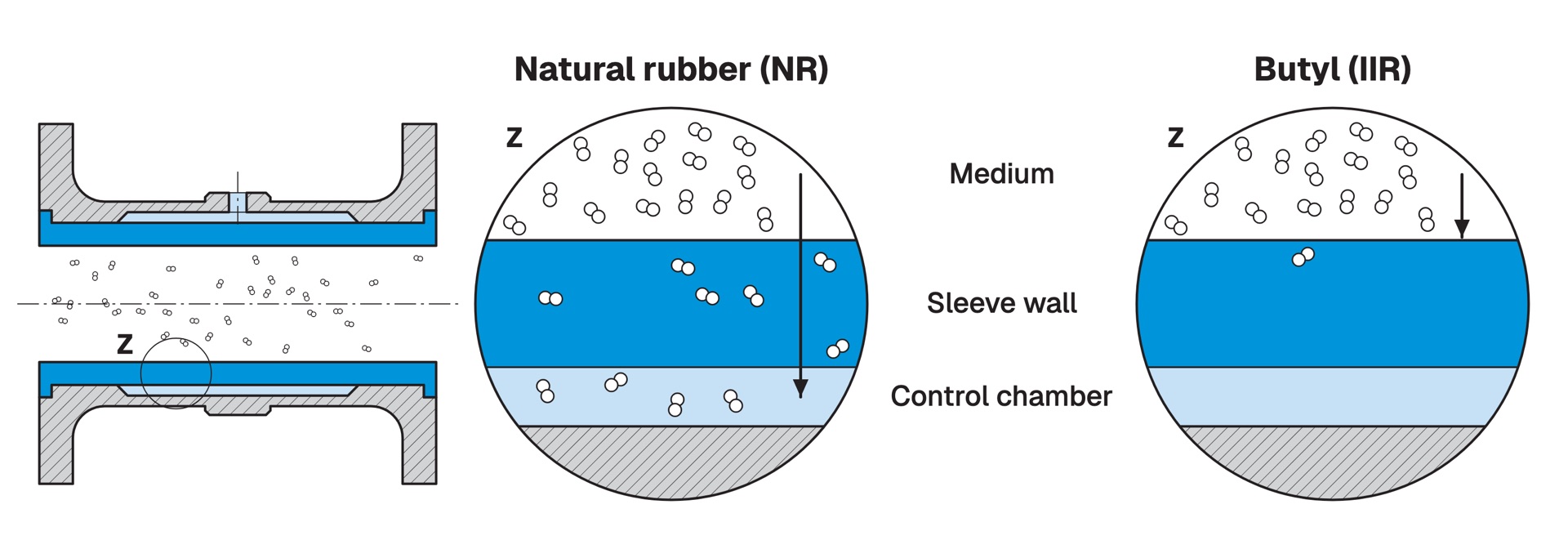
- Volatile and toxic media: solvent vapors do not diffuse through the sleeve into the control chamber. This means fewer emissions, and nothing attacking the body or the pneumatics.
- Inert gas and oxygen-sensitive products: inerted plants lose less nitrogen, and no oxygen enters the product stream.
- Gaseous media: when shutting off gases and vapors, the sleeve stays tight across its entire service life, with no creeping permeation.
How Far Does the Solvent Compatibility of Butyl Sleeves Reach?
Against polar, oxygen-containing solvents, a butyl sleeve is solvent resistant. Against hydrocarbons, it is not. Pinch valve sleeve solvent resistance is therefore always decided by the solvent class:
| Solvent class | Examples | Butyl (IIR) | Alternative in the HO-Matic range |
|---|---|---|---|
| Alcohols | Ethanol, isopropanol, methanol | very good | EPDM |
| Ketones | Acetone, methyl ethyl ketone (MEK) | good to very good | EPDM |
| Esters | Ethyl acetate, phthalates | good | EPDM (case-by-case check) |
| Glycols, glycerin | Ethylene glycol, glycerin | very good | EPDM |
| Aliphatic hydrocarbons | Gasoline, hexane, mineral oil | not resistant | NBR, FPM |
| Aromatic hydrocarbons | Toluene, xylene | not resistant | FPM |
| Chlorinated hydrocarbons | Dichloromethane, trichloroethylene | not resistant | FPM (case-by-case check) |
With solvent mixtures, as used in the paint and coatings industry, the most aggressive component decides the material choice. If a formulation contains toluene or mineral spirits alongside esters and ketones, FPM is the safe option. We check the resistance of our butyl rubber against both the chemical resistance charts and your actual formulation before we approve a sleeve grade.
Sleeve Materials Compared: How Chemical-Resistant Is a Pinch Valve Sleeve in NR, NBR, EPDM, FPM, CSM or Butyl?
No elastomer resists everything. The table sorts the HO-Matic sleeve grades by their strengths. The temperatures given are the maximum values approved in the pinch valve.
| Material | Chemical resistance — strengths | Gas permeability | Abrasion resistance | Maximum temperature in the HO-Matic pinch valve |
|---|---|---|---|---|
| NR – natural rubber | mild media only; the standard for bulk solids | high | very good | +80°C |
| NBR – nitrile rubber | oils, greases, fuels | medium | good | +80°C |
| EPDM | acids, alkalis, hot water, ketones | medium to high | good | +120°C |
| FPM – fluoroelastomer | aggressive chemicals, aromatic solvents, oils | low | medium | +100°C |
| CSM | oxidizing media, concentrated acids, alkalis | low to medium | good | +80°C |
| Butyl (IIR) | acids, alkalis, polar solvents | very low (best in class) | medium | +100°C |
If several materials suit the medium, natural rubber is the first choice at HO-Matic: it delivers the longest service life with bulk solids. Butyl comes into play as soon as polar solvents, acids or alkalis are in the medium, or when the gas tightness of the sleeve counts. You will find all standard grades with their temperature limits on our page about sleeves and elastomers.
Where Is a Chemical-Resistant Butyl Pinch Valve Sleeve Used?
Wherever polar solvents, acids, alkalis or volatile media load the sleeve, a chemical-resistant butyl pinch valve sleeve is the right solution. Typical fields of application:
Chemical Industry
Butyl sleeves are used to meter and shut off dilute and concentrated acids and alkalis, alcohols, ketones and esters. Examples include neutralization plants, chemical filling lines or wastewater pretreatment. Butyl stays tight where NBR swells and natural rubber is attacked.
Paint and Coatings Industry
Water-based paints and formulations with oxygen-containing solvents such as esters, ketones and glycol ethers are a classic case for butyl. If the formulation contains toluene, xylene or mineral spirits instead, we recommend FPM. Our pinch valves in Series 20 and 21 have been at work in powder coating and the paint industry for decades.
Pharmaceuticals and Fine Chemicals
Halogenated butyl rubbers (chlorobutyl and bromobutyl) are the standard material for pharmaceutical closure stoppers, thanks to gas tightness, purity and sterilizability. In a pinch valve, butyl suits alcohol- or ketone-based cleaning and process media, and processes under inert gas in which no oxygen may enter.
Volatile and Gaseous Media
Solvent vapors, industrial gases and exhaust air carrying volatile organic compounds (VOCs): the low sleeve gas permeability of butyl reduces emissions through the valve wall and protects the control chamber and the pneumatics from aggressive vapors.
HO-Matic Butyl Sleeves: Chemical-Resistant Pinch Valve Sleeves for Demanding Media
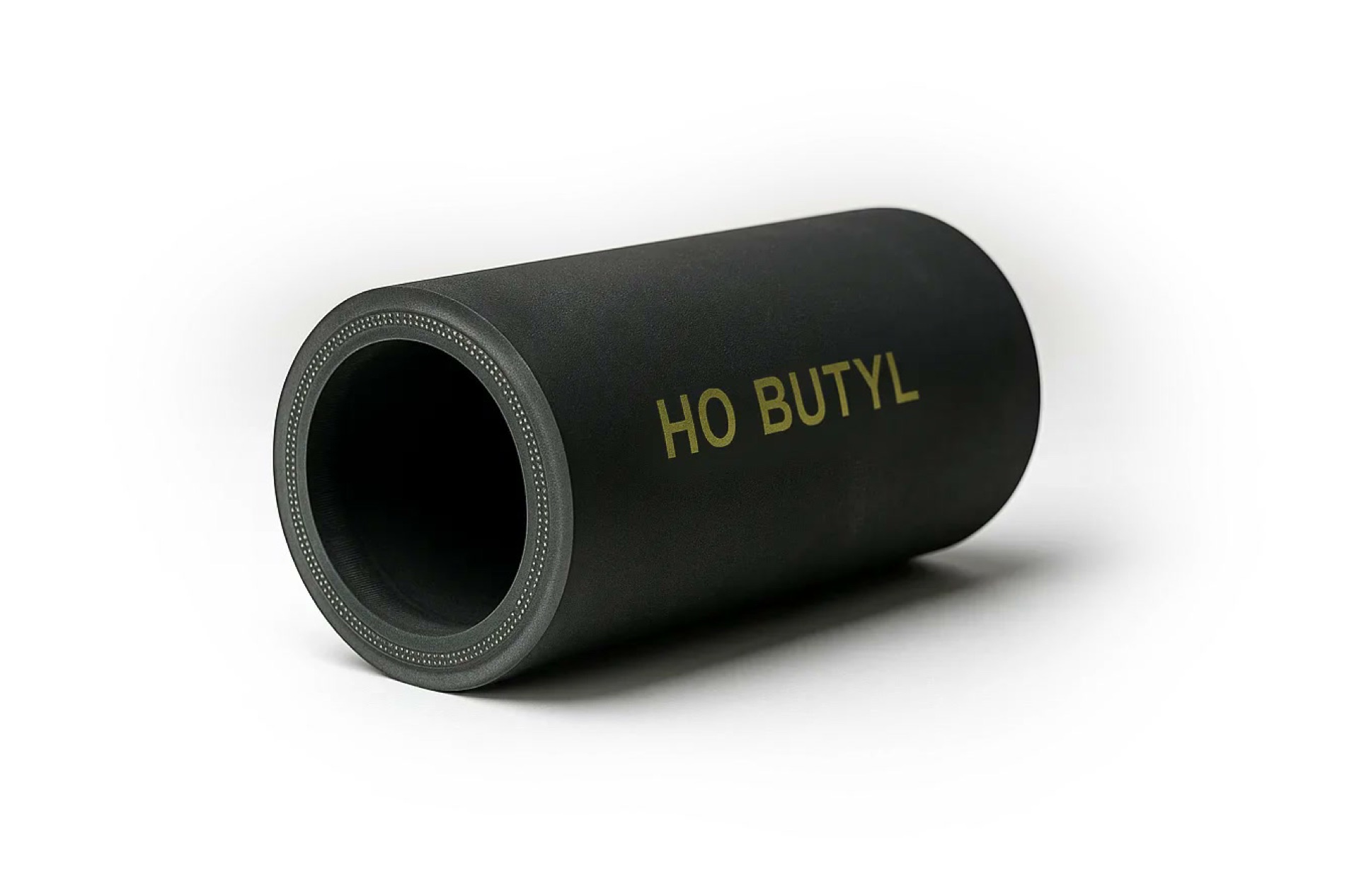
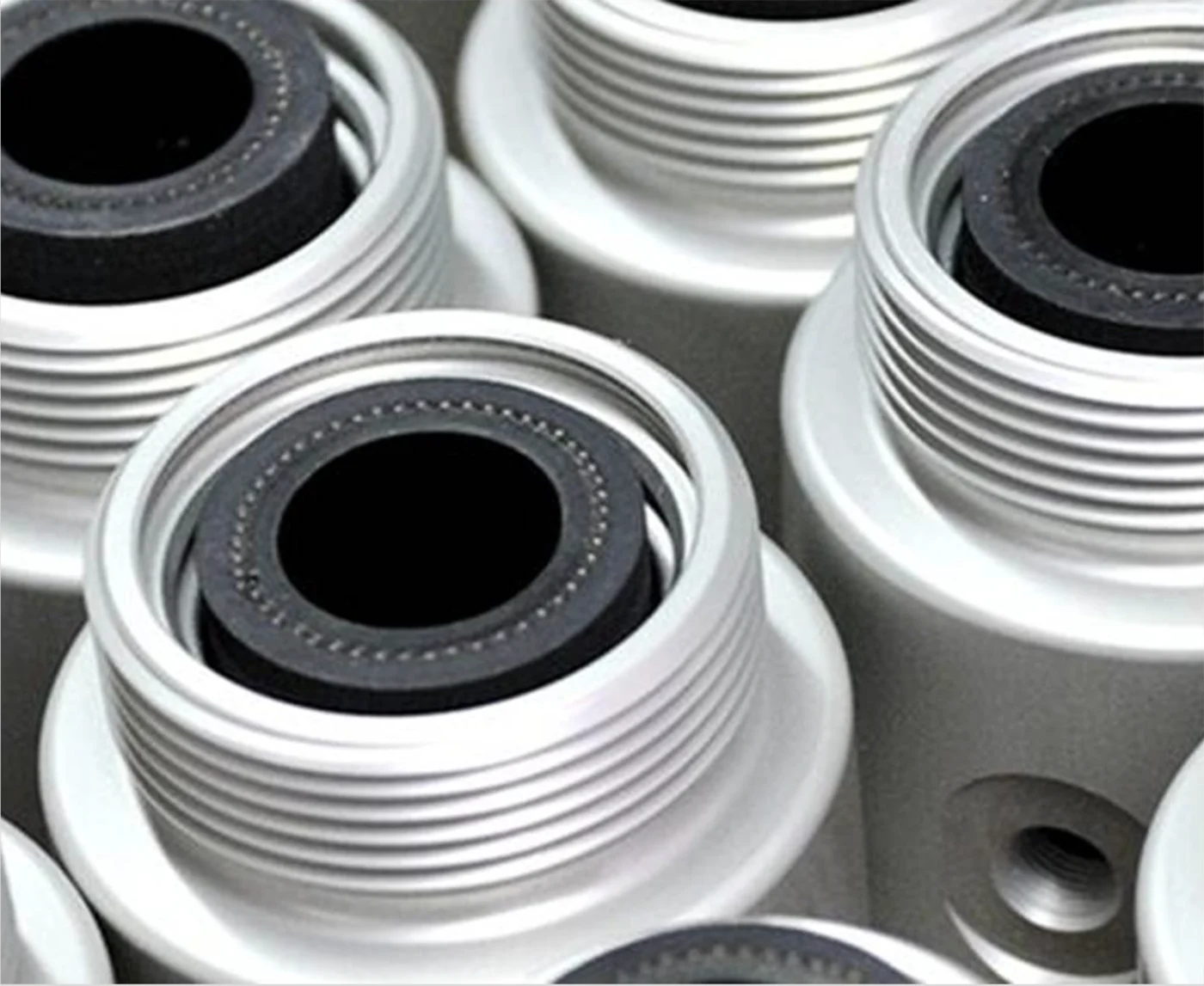
Butyl complements our sleeve range of NR, NBR, EPDM, FPM, CR and CSM exactly where polar solvents or gas permeability govern the design. Like every HO-Matic sleeve, the butyl grade is made with fabric reinforcement and fits our pneumatic pinch valves with no change of body. It offers:
- Resistance to acids, alkalis, alcohols, ketones and esters
- The lowest gas permeability of all sleeve elastomers, tight against vapors and gases
- Only one wetted component: the resistance check is limited to the sleeve
- Sleeve changes without special tools on almost every series, often in place in the plant
Whether butyl, EPDM or FPM is the right choice depends on the medium, its concentration, the temperature and the cleaning method. Our engineers assess your application and size the right grade. On request, we also design custom pinch valves for existing plants.
Pinch Valve Sleeve: Material Selection in Five Steps
At HO-Matic, the selection of the right material for your pinch valve sleeve follows a fixed sequence. These five steps narrow down the right grade for your valve quickly:
- Analyze the medium: Which substance classes are present: acids, alkalis, polar or non-polar solvents, oils, solids? With mixtures, the most aggressive component counts.
- Check the resistance: Compare the material’s chemical resistance chart against concentration and temperature. Swelling, hardening and loss of strength are knock-out criteria.
- Include temperature and cleaning: Compare process and CIP temperatures with the maximum temperature approved for the sleeve. Cleaning is often the hotter step.
- Assess the mechanical load: Abrasive solids argue for natural rubber; high switching frequencies call for a high restoring force.
- Clarify additional requirements: Gas tightness (butyl), food contact (FDA), conductivity for ATEX zones or a pale version.
We use our material compass as a rule of thumb: natural rubber whenever it is resistant. NBR for oil and grease, EPDM for acids, alkalis and hot water, FPM for aromatic solvents and heat, CSM for oxidizing media. Butyl is best used for polar solvents and wherever gas tightness is required.
Butyl Rubber’s Resistance in Perspective
The resistance of butyl rubber covers acids, alkalis and polar solvents, and butyl has the lowest gas permeability of all common sleeve elastomers. However, it has no resistance to oils, fuels and hydrocarbons. A butyl sleeve is therefore not a universal material but a specialist: the right choice when solvent-based, acidic or alkaline media meet a requirement for gas tightness.
With butyl, we at HO-Matic close this gap in our sleeve range. The material is checked against your formulation, manufactured in Switzerland and available at short notice.
Would you like to know whether your media can be handled safely with butyl, EPDM or FPM? Send us the medium, concentration and temperature: we will check the resistance and recommend the right sleeve grade.
Have your media resistance checked
FAQ: Butyl Rubber Resistance and Butyl Sleeves
What Is Butyl Rubber Resistant To?
Butyl rubber (IIR) resists dilute and many concentrated acids and alkalis, polar solvents such as alcohols, ketones, esters and glycols, and hot water, ozone, oxygen and weathering. It is not resistant to mineral oils, greases, fuels or aliphatic, aromatic and chlorinated hydrocarbons. With strongly oxidizing acids such as concentrated nitric acid, butyl rubber resistance is limited.
Is a Butyl Sleeve Solvent Resistant?
Yes, against polar solvents such as alcohols, acetone, methyl ethyl ketone, esters and glycols, a butyl sleeve is solvent resistant. Against hydrocarbon solvents such as toluene, xylene, gasoline or dichloromethane it is not. Butyl swells in these and loses its strength. For those media we use FPM or NBR.
Why Does Butyl Rubber Have Such Low Gas Permeability?
The densely packed methyl groups in the polyisobutylene backbone severely restrict the mobility of the polymer chains and block the diffusion of gases and water vapor. That puts the gas permeability of butyl around ten times below that of natural rubber. In a pinch valve it means vapors and gases stay in the product stream and do not pass through the sleeve wall into the control chamber.
What Temperature Can a Butyl Sleeve Withstand?
As a material, butyl rubber can be used from around -40°C to +120°C, and up to around 130°C against hot water and steam. The maximum temperature approved for the butyl sleeve in the HO-Matic pinch valve is +100°C, briefly up to 110°C, and therefore below the material value, because the sleeve is loaded dynamically on every switching cycle. For processes above 100°C we recommend EPDM (up to +120°C) or silicone.
Butyl or EPDM: Which Pinch Valve Sleeve Is More Chemical-Resistant?
Both materials resist acids, alkalis, hot water and many polar solvents. EPDM withstands higher temperatures in the pinch valve (+120°C) and is more ozone resistant; butyl has the considerably lower gas permeability. If gas tightness against vapors or inert gas counts, butyl is the better choice; if temperature counts, EPDM.
How Do I Select the Right Sleeve Material for My Pinch Valve?
First analyze the medium by substance class, then check the material’s resistance at the relevant concentration and temperature, include cleaning temperatures and assess abrasion and switching frequency. Finally, clarify additional requirements such as gas tightness, FDA or ATEX. If several materials fit, natural rubber is the first choice.
Is Butyl Rubber Abrasion Resistant?
Only to a limited extent: the abrasion resistance of butyl rubber is medium and clearly below that of natural rubber. For strongly abrasive bulk solids such as sand, cement or granulate, an NR sleeve remains the right choice. Butyl is chosen when chemical resistance and gas tightness matter more than protection against abrasion.
How Long Does a Butyl Sleeve Last in a Pinch Valve?
Service life depends on the medium, its concentration, temperature, switching frequency and differential pressure. There is no blanket figure. If the material is resistant to the medium, the sleeve ages only mechanically and reaches a service life similar to other grades. A control pressure of 2 to 2.5 bar above the operating pressure and a quick exhaust valve extend it further.